Αρχειοθήκη ιστολογίου

Πέμπτη 26 Νοεμβρίου 2020

Combined Influences of Genetic Factors and Attention Deficit Hyperactivity Disorder on the Development of Dependence on Synthetic Cannabinoids

alkiviadis.1961 shared this article with you from Inoreader

11055.jpg

Objectives. To create a complex model of the individual risk of developing dependence on synthetic cannabinoids taking account of the combined influences of genetic predisposition and attention deficit hypera-ctivity disorder (ADHD). Materials and methods. A total of 146 male adolescents consuming synthetic cannabinoids and 136 healthy subjects (controls) were observed. Genetic studies assessed cases with the combination of these dependencies with ADHD. DNA was collected and six polymorphic loci of genes of the dopaminergic and serotoninergic systems were determined; results were analyzed using a series of special statistical methods. Results and conclusions. These data demonstrate the important role of the dopaminergic and serotoninergic systems in the pathogenesis of dependence on psychoactive substances and the significance of changes in the nucleotide sequences of the DRD2, SLC6A3, and HTR2A genes in the development of dependence on synthetic cannabinoids in males with ADHD.

View on the web

Effect of Intraoperative Goal-Directed Fluid Management on Tissue Oxygen Tension in Obese Patients: a Randomized Controlled Trial

alkiviadis.1961 shared this article with you from Inoreader

11695.jpg

Abstract

Background

Perioperative subcutaneous tissue oxygen tension (PsqO2) is substantially reduced in obese surgical patients. Goal-directed fluid therapy optimizes cardiac performance and thus tissue perfusion and oxygen delivery. We therefore tested the hypothesis that intra- and postoperative PsqO2 is significantly reduced in obese patients undergoing standard fluid management compared to goal-directed fluid administration.

Methods

We randomly assigned 60 obese patients (BMI ≥ 30 kg/m2) undergoing laparoscopic bariatric surgery to receive either esophageal Doppler-guided goal-directed fluid management or conventional fluid treatment. Our primary outcome parameter was intra- and postoperative PsqO2 measured with a polarographic electrode in the subcutaneous tissue of the upper arm. A random effects linear regression model was used to analyze the effect of intervention.

Results

Overall, mean (± SD) PsqO2 was significantly higher in obese patients receiving goal-directed therapy compared to conventional fluid therapy (65.8 ± 28.0 mmHg vs. 53.7 ± 21.7, respectively; repeated measures design adjusted difference: 13.0 mmHg [95% CI 2.3 to 23.7; p = 0.017]). No effect was seen intraoperatively (69.6 ± 27.9 mmHg vs. 61.4 ± 28.8, difference: 9.7 mmHg [95% CI -3.8 to 23.2; p = 0.160]); however, goal-directed fluid management improved PsqO2 in the early postoperative phase (63.1 ± 27.9 mmHg vs. 48.4 ± 12.5, difference: 14.5 mmHg [95% CI 4.1 to 24.9; p = 0.006]). Intraoperative fluid requirements did not differ between the two groups.

Conclusions

Goal-directed fluid therapy improved subcutaneous tissue oxygenation in obese patients. This effect was more pronounced in the early postoperative period.

Clinical Trial Number and Registry

The study was registered at ClinicalTrials.gov (NCT 01052519).

View on the web

Post-Stent Ballooning during TransCarotid Artery Revascularization

alkiviadis.1961 shared this article with you from Inoreader
Post-stent ballooning/angioplasty (post-SB) have been shown to increase the risk of stroke risk after Transfemoral CAS. With the advancement of TransCarotid Artery Revascularization (TCAR) with dynamic cerebral blood flow reversal, we aimed to study the impact of post-SB during TCAR.
View on the web

Pathways to Enable Primary Healthcare Nurses in Providing Comprehensive Primary Healthcare to Rural, Tribal Communities in Rajasthan, India

alkiviadis.1961 shared this article with you from Inoreader

583821_Thumb_400.jpg

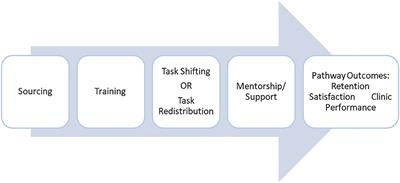
Background: Emerging health needs and uneven distribution of human resources of health have led to poor access to quality healthcare in rural areas. Rural pathways provide an approach to plan and evaluate strategies for ensuring availability, retention, motivation, and performance of human resources for health in rural areas. While effectiveness of primary healthcare (PHC) nurses to deliver primary health care is established, there is not enough evidence on ways to ensure their availability, retention, motiva tion, and performance. The paper draws on the program experience and evidence from a primary healthcare network (AMRIT Clinics), in which nurses play a central role in delivering primary healthcare in rural tribal areas of Rajasthan, India, to bridge this gap.

Methods: Rural, tribal areas of Rajasthan have limited access to functional healthcare facilities, despite having a high burden of diseases. We used the rural pathway approach to describe factors that contributed to the performance of the nurses in AMRIT Clinics. We analyzed information from the human resource information system and health management information system; and supplemented it with semi-structured interviews with nurses, conducted by an independent organization.

Results: Most nurses were sourced from rural and tribal communities that the clinics serve; nurses from these communities were likely to have a higher retention than those from urban areas. Sourcing from rural and tribal communities, on-going t raining in clinical and social skills, a non-hierarchical work environment, and individualized mentoring appear to be responsible for high motivation of the primary healthcare nurses in AMRIT Clinics. Task redistribution with due credentialing, intensive and on-going training, and access to tele-consultation helped in sustaining high performance. However, family expectations to perform gendered roles and pull of government jobs affect their retention.

Conclusion: Rural and remote areas with healthcare needs and scarcity of health provisions need to optimize the health workforce by adopting a multi-pronged pathway in its design and implementation. At the same time, there is a need to focus on structural factors that affect retention of workforce within the pathway. Our experience highlights a pathway of up-skilling PHC nurses in providing comprehensive primary healthcare in rural and remote communities in Low and Middle-Income Countries (LMICs).


View on the web

Associations Between Maternal Community Deprivation and Infant DNA Methylation of the SLC6A4 Gene

alkiviadis.1961 shared this article with you from Inoreader

557195_Thumb_400.jpg

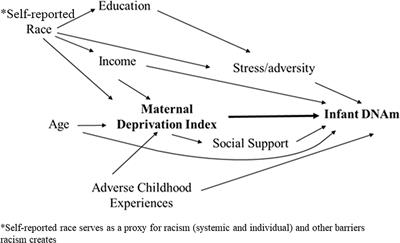
Introduction: Poverty is negatively associated with health and developmental outcomes. DNA methylation (DNAm) has been proposed as a mechanism that underlies the association between adversity experienced by mothers in poverty and health and developmental outcomes in their offspring. Previous studies have identified associations between individual-level measures of stress and adversity experienced by a mother during pregnancy and infant DNAm. We hypothesized that independent of individual stresses, a mother's community-level deprivation while she is pregnant may also be associated with DNAm among the genes of her offspring that are related to stress response and/or development.

Methods: Pregnant mothers (N = 53) completed assessments that measured stress, adversity, and mental health. To evaluate community-level deprivation, mothers' addresses were linked to census-level socioeconomic measures including a composite index of deprivation that combines multiple community-level indicators such as income and highest level of education received. Infant buccal cells were collected at about age 4 weeks to measure DNAm of candidate genes including NR3C1, SCG5, and SLC6A4, which are associated with the stress response and or social and emotional development. Multivariable models were employed to evaluate the association between maternal community deprivation and infant DNAm of candidate genes.

Results: No significant associations were identified between maternal community-level depriv ation and the methylation of NR3C1 or SCG5, however, maternal community-level deprivation was significantly associated with higher mean methylation across 8 CpG sites in SLC6A4.

Conclusion: This study identified an association between community-level measures of deprivation experienced by a mother during pregnancy and DNAm in their offspring. These findings may have implications for understanding how the community context can impact early biology and potential function in the next generation.

View on the web

Code-Sharing in Cost-of-Illness Calculations: An Application to Antibiotic-Resistant Bloodstream Infections

alkiviadis.1961 shared this article with you from Inoreader

562427_Thumb_400.jpg

Background: More data-driven evidence is needed on the cost of antibiotic resistance. Both Japan and England have large surveillance and administrative datasets. Code sharing of costing models enables reduced duplication of effort in research.

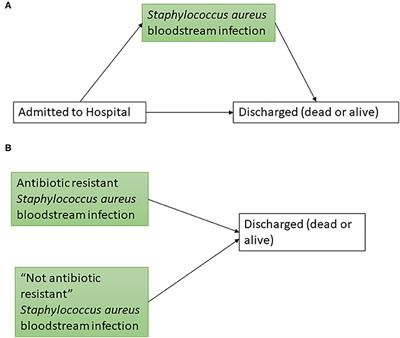
Objective: To estimate the burden of antibiotic-resistant Staphylococcus aureus bloodstream infections (BSIs) in Japan, utilizing code that was written to estimate the hospital burden of antibiotic-resistant Escherichia coli BSIs in England. Additionally, the pro cess in which the code-sharing and application was performed is detailed, to aid future such use of code-sharing in health economics.

Methods: National administrative data sources were linked with voluntary surveillance data within the Japan case study. R software code, which created multistate models to estimate the excess length of stay associated with different exposures of interest, was adapted from previous use and run on this dataset. Unit costs were applied to estimate healthcare system burden in 2017 international dollars (I$).

Results: Clear supporting documentation alongside open-access code, licensing, and formal communication channels, helped the re-application of costing code from the English setting within the Japanese setting. From the Japanese healthcare system perspective, it was estimated that there was an excess cost of I$6,392 per S. aureus BSI, whilst oxacillin resistance was associated with an additional I$8,155.

Conclusions:S. aureus resistan ce profiles other than methicillin may substantially impact hospital costs. The sharing of costing models within the field of antibiotic resistance is a feasible way to increase burden evidence efficiently, allowing for decision makers (with appropriate data available) to gain rapid cost-of-illness estimates.

View on the web

Epidemiology and public health response in early phase of COVID-19 pandemic, Veneto Region, Italy, 21 February to 2 April 2020

alkiviadis.1961 shared this article with you from Inoreader

spinner.gif

Background

Veneto was one of the Italian regions hit hardest by the early phase of the coronavirus disease (COVID-19) pandemic.

Aim

This paper describes the public health response and epidemiology of severe acute respiratory syndrome coronavirus 2 (SARS-CoV-2) infections in the Veneto Region from 21 February to 2 April 2020.

Methods

Information on the public health response was collected from regional health authorities' official sources. Epidemiological data were extracted from a web-based regional surveillance system. The epidemic curve was represented by date of testing. Characteristics of hospitalised COVID-19 cases were described and compared to those never admitted to hospital. Age- and sex-stratified case-fatality ratios (CFRs) were calculated.

Results

Key elements of the regional public health response were thorough case-finding and contact tracing, home care for non-severe cases, creation of dedicated COVID-19 healthcare facilities and activation of sub-intensive care units for non-invasive ventilation. As at 2 April 2020, 91,345 individuals were tested for SARS-CoV-2 and 10,457 (11.4%) were positive. Testing and attack rates were 18.6 per 1,000 and 213.2 per 100,000 population, respectively. The epidemic peaked around 20 to 24 March, with case numbers declining thereafter. Hospitalised cases (n = 3,623; 34.6%) were older and more frequently male compared with never-hospitalised cases. The CFR was 5.6% overall, and was higher among males and people > 60 years of age.

Conclusion

In the Veneto Region, the strict social distancing measures imposed by the Italian government were supported by thorough case finding and contact tracing, as well as well-defined roles for different levels of care.

View on the web

Serology- and PCR-based cumulative incidence of SARS-CoV-2 infection in adults in a successfully contained early hotspot (CoMoLo study), Germany, May to June 2020

alkiviadis.1961 shared this article with you from Inoreader

spinner.gif

Three months after a coronavirus disease (COVID-19) outbreak in Kupferzell, Germany, a population-based study (n = 2,203) found no RT-PCR-positives. IgG-ELISA seropositivity with positive virus neutralisation tests was 7.7% (95% confidence interval (CI): 6.5–9.1) and 4.3% with negative neutralisation tests. We estimate 12.0% (95% CI: 10.4–14.0%) infected adults (24.5% asymptomatic), six times more than notified. Full hotspot containment confirms the effectiveness of prompt protection measures. However, 88% naïve adults are still at high COVID-19 risk.

View on the web

Where has all the influenza gone? The impact of COVID-19 on the circulation of influenza and other respiratory viruses, Australia, March to September 2020

alkiviadis.1961 shared this article with you from Inoreader

spinner.gif

The coronavirus disease pandemic was declared in March 2020, as the southern hemisphere's winter approached. Australia expected co-circulation of severe acute respiratory syndrome coronavirus 2, influenza and other seasonal respiratory viruses. However, influenza notifications were 7,029 (March–September) compared with an average 149,832 for the same period in 2015–2109, despite substantial testing. Restrictions on movement within and into Australia may have temporarily eliminated influenza. Other respiratory pathogens also showed remarkably changed activity in 2020.

View on the web

Fully-customized distraction assembly for maxillofacial distraction osteogenesis: a novel device and its experimental accuracy verification

alkiviadis.1961 shared this article with you from Inoreader

13005.jpg

A new distraction osteogenesis assembly system comprising a fully customized CAD/CAM-based fixation unit and ready-made distraction unit was developed. The aim of this study was to introduce our new distractio...
View on the web

Routinely collected patient data in neurology research: a systematic mapping review

alkiviadis.1961 shared this article with you from Inoreader

Abstract

Background

This review focuses on neurology research which uses routinely collected data. The number of such studies is growing alongside the expansion of data collection. We aim to gain a broad picture of the scope of how routine healthcare data have been utilised.

Methods

This study follows a systematic mapping review approach which does not make a judgement on the quality of the papers included in the review, thereby enabling a complete overview of the field.

Results

Of 4481 publications retrieved, 386 met the eligibility criteria for this study. These publications covered a wide range of conditions, but the majority were based on one or only a small number of neurological conditions. In particular, publications concerned with three discrete areas of neurological practice - multiple sclerosis (MS), epilepsy/seizure and Parkinson's disease - accounted for 60% of the total. MS was the focus of the highest proportion of eligible studies (35%), yet in the recent Global Burden of Neurological Disease study it ranks only 14th out of 15 neurological disorders for DALY rates. In contrast, migraine is the neurological disorder with the highest ranking of DALYs globally (after stroke) and yet it was represented by only 4% of eligible studies.

Conclusion

This review shows that there is a disproportionately large body of literature pertaining to relatively rare disorders, and a correspondingly small body of literature describing more common conditions. Therefore, there is potential for future research to redress this balance.

View on the web

A distinct neuromelanin magnetic resonance imaging pattern in parkinsonian multiple system atrophy

alkiviadis.1961 shared this article with you from Inoreader

Abstract

Background

Parkinsonian variant of multiple system atrophy is a neurodegenerative disorder frequently misdiagnosed as Parkinson's disease. No early imaging biomarkers currently differentiate these disorders.

Methods

Simple visual imaging analysis of the substantia nigra and locus coeruleus in neuromelanin-sensitive magnetic resonance imaging and nigrosome 1 in susceptibility-weighted sequences was performed in thirty patients with parkinsonian variant of multiple system atrophy fulfilling possible/probable second consensus diagnostic criteria. The neuromelanin visual pattern was compared to patients with Parkinson's disease with the same disease duration (n = 10) and healthy controls (n = 10). Substantia nigra semi-automated neuromelanin area/signal intensity was compared to the visual data.

Results

Groups were similar in age, sex, disease duration, and levodopa equivalent dose. Hoehn & Yahr stage was higher in parkinsonian multiple system atrophy patients, 69% of whom had normal neuromelanin size/signal, significantly different from Parkinson's disease patients, and similar to controls. Nigrosome 1 signal was lost in 74% of parkinsonian multiple system atrophy patients. Semi-automated neuromelanin substantia nigra signal, but not area, measurements were able to differentiate groups.

Conclusions

In patients with parkinsonism, simple visual magnetic resonance imaging analysis showing normal neuromelanin substantia nigra and locus coeruleus, combined with nigrosome 1 loss, allowed the distinction of the parkinsonian variant of multiple system atrophy from Parkinson's disease and healthy controls. This easy and widely available method was superior to semi-automated measurements in identifying specific imaging changes in substantia nigra and locus coeruleus.

View on the web