Αρχειοθήκη ιστολογίου

Κυριακή 20 Δεκεμβρίου 2020

Naltrexone’s Impact on Cancer Progression and Mortality: A Systematic Review of Studies in Humans, Animal Models, and Cell Cultures

xlomafota.13 shared this article with you from Inoreader

12325.jpg

Abstract

Background

Naltrexone (NTX) is an opioid antagonist traditionally used as a treatment for alcohol and opioid use disorders, but various studies have documented its involvement in cancer progression, exploring possible anticancer potential, when administered at high doses or as low dose naltrexone (LDN). Herein we present a systematic review of cancer-related outcomes from case reports, clinical trials, and retrospective and prospective studies conducted using cell cultures, animal models, and human subjects receiving NTX/LDN.

Methods

A systematic search of NTX in cancer therapy was conducted. Outcomes including tumor size and number, latency to tumor development, survival duration, progression of disease, and scan results were assessed in clinical and animal studies, and cell number was used as the outcome measure of culture studies.

Results

Several case reports demonstrate notable survival durations and metastatic resolutions in patients with late stage cancer when administered an average LDN dose of 3–5 mg/day. Animal and cell culture studies suggest an overarching principle of NTX involvement in cancer pharmacophysiology, suggesting that high doses and continuous administration can foster cancer progression, whereas low doses and intermittent treatment may hinder cell proliferation, impede tumorigenesis, and have potential anticancer efficacy.

Conclusion

This review emphasizes the value of potential future research on NTX in cancer therapy, and warrants need for a better understanding of underlying mechanisms. Future controlled studies with more robust sample sizes, particularly in humans, are needed to fully elucidate its potential in cancer therapy.

View on the web

Pharmacokinetics and Bioequivalence of Cefprozil for Suspension and Granule Formulation in Healthy Chinese Volunteers: Two Single-Dose Crossover Studies

xlomafota.13 shared this article with you from Inoreader

12325.jpg

Abstract

Introduction

Cefprozil, an oral second-generation semi-synthetic cephalosporin, possesses a broad spectrum of antimicrobial activity. A granule formulation has been developed to improve medication adherence of the patients. This study was conducted to assess the bioequivalence of the granule formulation to a dry suspension in healthy Chinese volunteers and estimate the pharmacokinetic (PK) profiles of cefprozil.

Methods

An open-label, randomized, single-dose, two-period, two-group, crossover study was conducted in 60 healthy Chinese volunteers under fasted or fed conditions (30 volunteers for each condition) to assess the bioequivalence between two formulations of cefprozil. Blood samples were collected at specified time intervals, and the plasma concentrations of cis- and trans-cefprozil were determined by a validated liquid chromatography-tandem mass spectrometry (LC–MS/MS) method. PK and bioavailability parameters were estimated via non-compartmental methods. Adverse events (AEs) were also recorded.

Results

Under fasted conditions, the mean Cmax was (3534.70 ± 634.67) ng/ml, Tmax was (0.98 ± 0.25) h, t1/2 was (1.37 ± 0.13) h and AUC0-t was (9302.86 ± 1618.39) ng·h/ml, respectively, after a single dose of 125 mg cefprozil for suspension. Under fed conditions, the mean Cmax was (2438.80 ± 493.78) ng/ml, Tmax was (1.66 ± 0.76) h, t1/2 was (1.36 ± 0.24) h and AUC0-t was (9332.36 ± 1373.61) ng·h/ml, respectively. The PK parameters of the granule formulation of cefprozil were similar to those of the suspension. The 90% CI values of the GMRs of Cmax, AUC0-t and AUC0-∞ under both fasted and fed conditions were within the prespecified bioequivalence range (80.00–125.00%).

Conclusions

According to the criteria for bioequivalence, the test granule formulations of cefprozil and "Cefprozil for Suspension®" were determined to be bioequivalent whether under fasted or fed conditions by measurement of cis-, trans- and total cefprozil.

Trial registration

ClinicalTrials.gov identifier, NCT04414254.

View on the web

Targeted Use of Prednisolone with Intravenous Immunoglobulin for Kawasaki Disease

xlomafota.13 shared this article with you from Inoreader

40261.jpg

Abstract

Background and Objectives

Intravenous immunoglobulin (IVIG) therapy for acute-stage Kawasaki disease (KD) is the first-line treatment for preventing the development of coronary artery aneurysms (CAA). Corticosteroids (prednisolone) and infliximab are often used in patients at a high risk of CAA or those with CAA at diagnosis; however, there are only a few reports of non-responders to corticosteroids as an adjuvant therapy or rescue alternative to IVIG. In this study, we compared the therapeutic effects of primary and secondary prednisolone with IVIG for KD.

Methods

We established the following three protocols: A was a secondary rescue prednisolone protocol; B was no prednisolone and second-line infliximab protocol, and C was the primary prednisolone protocol. The indication for prednisolone administration was based on the following: primary prednisolone administration, Kobayashi score; and secondary administration, Shizuoka score.

Results

Four hundred and sixty-nine patients were enrolled in the three protocols. A comparison between primary and secondary prednisolone and IVIG, as the first-line therapy revealed that the number of first non-responders in C group was 7 (8.3%), which was significantly lower than the 50 (20.9%) in A group. There was a significant difference in the first and second non-responders among the three groups, and the number of non-responders in A group was 6 (2.5%), which was significantly lower than the 13 (9.9%) in B group (p < 0.001, by Bonferroni test). The multivariate logistic regression analysis showed that IVIG non-responders among the protocol groups had an adjusted odds ratio of 6.47. Fifteen IVIG non-responders were administered infliximab as a second-line therapy, and of them, 9 (60%) showed therapy resistance. CAA occurred in 21 patients (4.6%). There was no significant difference among each protocol group.

Conclusions

The number of IVIG non-responders in the group with prednisolone administration was lower than that in the group without prednisolone administration. Secondary rescue infliximab therapy for IVIG non-responders resulted in a lower defervescence effect than the secondary rescue IVIG with prednisolone administration. Further prospective randomized studies are needed to identify factors useful for preventing IVIG non-responders and determine the optimal rescue therapy for preventing CAA.

View on the web

Walking the line: mechanisms underlying directional mRNA transport and localisation in neurons and beyond

xlomafota.13 shared this article with you from Inoreader

18.jpg

Abstract

Messenger RNA (mRNA) localisation enables a high degree of spatiotemporal control on protein synthesis, which contributes to establishing the asymmetric protein distribution required to set up and maintain cellular polarity. As such, a tight control of mRNA localisation is essential for many biological processes during development and in adulthood, such as body axes determination in Drosophila melanogaster and synaptic plasticity in neurons. The mechanisms controlling how mRNAs are localised, including diffusion and entrapment, local degradation and directed active transport, are largely conserved across evolution and have been under investigation for decades in different biological models. In this review, we will discuss the standing of the field regarding directional mRNA transport in light of the recent discovery that RNA can hitchhike on cytoplasmic organelles, such as endolysosomes, and the impact of these transport modalities on our understanding o f neuronal function during development, adulthood and in neurodegeneration.

View on the web

Πέμπτη 17 Δεκεμβρίου 2020

Ophthalmology Clinics

COVID-19 and the Eye: A Comprehensive Review of the Literature
No abstract available

A Review and Update on Surgical Management of Intraocular Lens Dislocation
imageNo abstract available

Updates in the Management of Corneal Ectasia
No abstract available

Review: Optimizing DMEK Technique, 2018-2020
No abstract available

Recent Advances in Pediatric Endothelial Keratoplasty
imageNo abstract available

Recent Updates in Femtosecond Laser-assisted Cataract Surgery
imageNo abstract available

Alpha-Gal Syndrome in Ophthalmology and Medicine: Erratum
No abstract available

#
Medicine by Alexandros G. Sfakianakis,Anapafseos 5 Agios Nikolaos 72100 Crete Greece,00302841026182,00306932607174,alsfakia@gmail.com,
Telephone consultation 11855 int 1193,

The antiretroviral 2',3'-dideoxycytidine causes mitochondrial dysfunction in proliferating and differentiated HepaRG human cell cultures [Bioenergetics]

Alexandros G.Sfakianakis shared this article with you from Inoreader

JBC_twittercard.png

Nucleoside reverse transcriptase inhibitors (NRTIs) were the first drugs used to treat human immunodeficiency virus infection, and their use can cause mitochondrial toxicity, including mitochondrial DNA (mtDNA) depletion in several cases. The first generation NRTIs, including 2',3'-dideoxycytidine (ddC), were originally and are still pursued as anticancer agents. NRTI-sensitive DNA polymerases localizing t o mitochondria allow for the opportunity to poison proliferating cancer cell mtDNA replication as certain cancers rely heavily on mitochondrial functions. However, mtDNA replication is independent of the cell cycle creating a significant concern that toxicants such as ddC impair mtDNA maintenance in both proliferating and non-proliferating cells. To examine this possibility, we tested the utility of the HepaRG cell line to study ddC-induced toxicity in isogenic proliferating (undifferentiated) and non-proliferating (differentiated) cells. Following ddC exposures, we measured cell viability, mtDNA copy number, and mitochondrial bioenergetics utilizing trypan blue, Southern blotting, and extracellular flux analysis, respectively. After 13 days of 1 μM ddC exposure, proliferating and differentiated HepaRG harbored mtDNA levels of 0.9% and 17.9% compared to control cells, respectively. Cells exposed to 12 μM ddC contained even less mtDNA. By day 13, differentiated cell viability was m aintained but declined for proliferating cells. Proliferating HepaRG bioenergetic parameters were severely impaired by day 8, with 1 and 12 μM ddC, while differentiated cells displayed defects of spare and maximal respiratory capacities (day 8) and proton-leak linked respiration (day 14) with 12 μM ddC. These results indicate HepaRG is a useful model to study proliferating and differentiated cell mitochondrial toxicant exposures.
View on the web

Cholesterol stimulates the cellular uptake of L-carnitine by the carnitine/organic cation transporter novel 2 (OCTN2) [Bioenergetics]

Alexandros G.Sfakianakis shared this article with you from Inoreader

JBC_twittercard.png

The carnitine/organic cation transporter novel 2 (OCTN2) is responsible for the cellular uptake of carnitine in most tissues. Being a transmembrane protein OCTN2 must interact with the surrounding lipid microenvironment to function. Among the main lipid species that constitutes eukaryotic cells, cholesterol level is highly dynamic under a number of physio-pathological conditions. This work describes how pl asma membrane cholesterol modulates OCTN2 transport of L-carnitine in human embryonic kidney 293 cells overexpressing OCTN2 (OCTN2-HEK293) and in proteoliposomes harboring human OCTN2. We manipulated the cholesterol content of intact cells, assessed by thin layer chromatography, through short exposures to empty and/or cholesterol-saturated methyl-β-cyclodextrin (mβcd), whereas free cholesterol was used to enrich reconstituted proteoliposomes. We measured OCTN2 transport using [3H]L-carnitine, and expression levels and localization by surface biotinylation and western blotting. A 20-minute preincubation with mβcd reduced the cellular cholesterol content and inhibited L-carnitine influx by 50% in comparison to controls. Analogously, the insertion of cholesterol in OCTN2-proteoliposomes stimulated L-carnitine uptake in a dose-dependent manner. Carnitine uptake in cells incubated with empty mβcd and cholesterol-saturated mβcd to preserve cholesterol content was comparable to contro ls, suggesting that the mβcd effect on OCTN2 was cholesterol dependent. Cholesterol stimulated L-carnitine influx in cells by markedly increasing the affinity for L-carnitine and in proteoliposomes by significantly enhancing the affinity for Na+ and, in turn, the L-carnitine maximal transport capacity. Because of the antilipogenic and antioxidant features of L-carnitine, the stimulatory effect of cholesterol on L-carnitine uptake might represent a novel protective effect against lipid-induced toxicity and oxidative stress.
View on the web

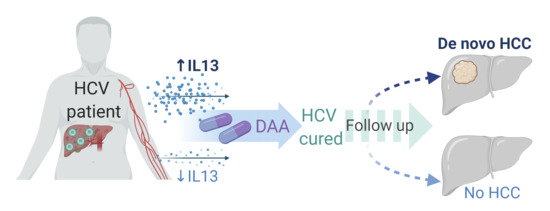
Cancers, Vol. 12, Pages 3820: Circulating IL-13 Is Associated with De Novo Development of HCC in HCV-Infected Patients Responding to Direct-Acting Antivirals

Alexandros G.Sfakianakis shared this article with you from Inoreader
Μέσω Cancers

cancers-12-03820-ag-550.jpg

Cancers, Vol. 12, Pages 3820: Circulating IL-13 Is Associated with De Novo Development of HCC in HCV-Infected Patients Responding to Direct-Acting Antivirals

Cancers doi: 10.3390/cancers12123820

Authors: Zuzana Macek Jílková Arnaud Seigneurin Celine Coppard Laurissa Ouaguia Caroline Aspord Patrice N. Marche Vincent Leroy Thomas Decaens

Direct-acting antivirals (DAAs) are highly effective in targeting hepatitis C virus (HCV) infections, but the incidence of HCV-related hepatocellular carcinoma (HCC) remains still high. In this study, we investigated a cohort of HCV-infected patients treated with DAAs who were followed up for 4 years after sustained virological response (SVR) achievement. Patients who developed de novo HCC following DAA treatment were compared to matched controls who did not develop HCC. These control patients were selected based on DAA treatment, sex, age, fibrosis status, and platelet counts. We evaluated serum levels of 30 immune mediators before, during, at the end of, and three months after DAA treatment using Luminex technology. We identified the immune factors associated with de novo HCC occurrence following DAA treatment. Specifically, interleukin (IL)-4 and IL-13 levels were significantly higher before start of the DAA treatment in the serum of patients who later developed HCC than in co ntrols and stayed higher at each subsequent time point. Least absolute shrinkage and selection operator (LASSO) regression revealed IL-13 as the only strong factor associated with HCC development in this cohort of HCV patients. The difference was observed already at baseline of DAA treatment, which confirms the existence of a specific immune profile in these patients who later develop HCC.

View on the web

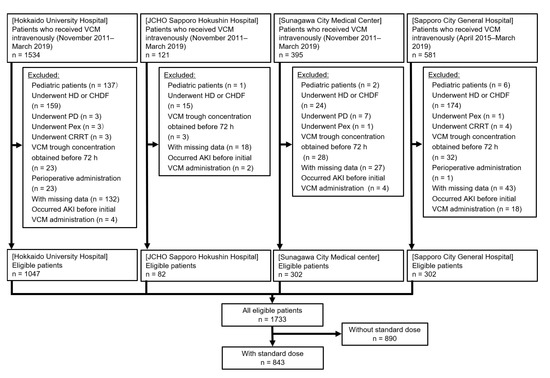
Antibiotics, Vol. 9, Pages 920: A Risk Prediction Flowchart of Vancomycin-Induced Acute Kidney Injury to Use When Starting Vancomycin Administration: A Multicenter Retrospective Study

Alexandros G.Sfakianakis shared this article with you from Inoreader
Μέσω Antibiotics

antibiotics-09-00920-g001-550.jpg

Antibiotics, Vol. 9, Pages 920: A Risk Prediction Flowchart of Vancomycin-Induced Acute Kidney Injury to Use When Starting Vancomycin Administration: A Multicenter Retrospective Study

Antibiotics doi: 10.3390/antibiotics9120920

Authors: Takayuki Miyai Shungo Imai Hitoshi Kashiwagi Yuki Sato Shota Kadomura Kenji Yoshida Eri Yoshimura Toshiaki Teraya Takashi Tsujimoto Yukari Kawamoto Tatsuya Itoh Hidefumi Ueno Yoshikazu Goto Yoh Takekuma Mitsuru Sugawara

We previously constructed a risk prediction model of vancomycin (VCM)-associated nephrotoxicity for use when performing initial therapeutic drug monitoring (TDM), using decision tree analysis. However, we could not build a model to be used at the time of initial administration due to insufficient sample size. Therefore, we performed a multicenter study at four hospitals in Japan. We investigated patients who received VCM intravenously at a standard dose from the first day until the initial TDM from November 2011 to March 2019. Acute kidney injury (AKI) was defined according to the criteria established by the &ldquo;Kidney disease: Improving global outcomes&rdquo; group. We extracted potential risk factors that could be evaluated on the day of initial administration and constructed a flowchart using a chi-squared automatic interaction detection algorithm. Among 843 patients, 115 (13.6%) developed AKI. The flowchart comprised three splitting variables (concomitant drugs (va sopressor drugs and tazobactam/piperacillin) and body mass index &ge; 30) and four subgroups. The incidence rates of AKI ranged from 9.34 to 36.8%, and they were classified as low-, intermediate-, and high-risk groups. The accuracy of flowchart was judged appropriate (86.4%). We successfully constructed a simple flowchart predicting VCM-induced AKI to be used when starting VCM administration.

View on the web

Exceptional Regression of Malignant Pleural Mesothelioma with Pembrolizumab Monotherapy

Alexandros G.Sfakianakis shared this article with you from Inoreader

1260338

The lead author with clinical stage I malignant pleural mesothelioma, epithelioid type, highly programmed cell death ligand 1 (PD-L1) positive, and BAP1 negative, experienced a prompt and exceptionally favorable response to pembrolizumab monotherapy. After cessation of treatment due to immune-related endocrinopathies, complete metabolic response on interim PET/CT scan was achieved. Two years after initial diagnosis, un ifocal tumor reactivation was addressed with successful pembrolizumab monotherapy rechallenge. Immunotherapy, typically not used as frontline treatment for malignant pleural mesothelioma, may provide an effective and durable response for some patients. Based on this single case study, epithelioid type tumors with strongly positive PD-L1 and BAP1-negative immunohistochemical markers may be well suited for treatment with immune checkpoint inhibitors such as pembrolizumab.
Case Rep Oncol 2020;13:1483–1489
View on the web

Pembrolizumab-Induced Severe Neuropathy in a Patient with Metastatic Urothelial Carcinoma after Achieving Complete Response: Guillain-Barré Syndrome-Like Onset

Alexandros G.Sfakianakis shared this article with you from Inoreader

1262137

An 85-year-old female was admitted to our hospital for left ureteral cancer and para-aortic lymph node metastasis. To control hematuria, a laparoscopic retroperitoneal nephroureterectomy was performed, and papillary urothelial carcinoma (pT3b) was found. To treat para-aortic lymph node metastasis, she received chemotherapy with gemcitabine and nedaplatin. After 2 cycles, a computed tomography scan revealed its disappe arance; however, bilateral lung metastases appeared. The patient was administered second-line therapy with pembrolizumab every 3 weeks. After 3 courses, lung metastases disappeared and she achieved a complete response. After the fifth administration of pembrolizumab, she was readmitted with right upper limb pain and weakness in both lower extremities. She was diagnosed with pembrolizumab-induced grade 3 peripheral neuropathy with Guillain-Barré syndrome-like onset. High-dose monocorticotherapy was initiated for treatment. Three weeks later, the pain and weakness of the limbs improved. After discharge, the dose of prednisolone was tapered and there was no relapse of adverse events. Pembrolizumab was discontinued at the onset of neuropathy, but she maintained a complete response.
Case Rep Oncol 2020;13:1490–1494
View on the web

Cranial Nerve Metastasis Treated with Radiotherapy and Chemotherapy in Patients with Lung Adenocarcinoma

Alexandros G.Sfakianakis shared this article with you from Inoreader

1261891

The incidence of central nervous system metastasis is known to be high among patients with lung cancer. The frequency of brain metastasis and carcinomatous meningitis during the entire clinical course of non-small cell lung cancer is reported to be about 40% and 5%, respectively. In contrast, the incidence of cranial nerve metastasis is extremely rare, and detailed reports of its clinical course remain limited. Herein , we report 2 patients diagnosed with cranial nerve metastasis of lung adenocarcinoma and treated with radiotherapy and systemic chemotherapy. Both patients had cranial nerve symptoms, and brain magnetic resonance imaging showed cranial nerve enhancement. However, no evidence of carcinomatous meningitis was noted on magnetic resonance imaging and cerebrospinal fluid cytology. Based on these observations, these patients were diagnosed with cranial nerve metastasis of lung adenocarcinoma. Radiotherapy and chemotherapy were performed in both cases. In both cases, neurological symptoms had not worsened and imaging findings did not indicate any deteriorations. Therefore, radiotherapy and systemic chemotherapy should be considered when treating cranial nerve metastasis of lung adenocarcinoma. Early therapeutic intervention may lead to attenuation of the cranial nerve dysfunction resulting from cranial nerve metastasis.
Case Rep Oncol 2020;13:1495–1500
View on the web