| Message: The cost of replacing a medic, both financially and in time invested, is steep. Finding and hiring promising candidates is only one piece of the staffing puzzle. In an EMS1 Special Coverage Series, "Year One: Creating a career path for new EMTs," learn how to onboard team members to set them up for long-term success, through the first 90 days, the first 6 months and beyond.
By Casey Patrick, MD, FAEMS; and Xavier de la Rosa, BS, LP, NRP, FP-C
There are countless variations of new employee orientation schedules and clinical onboarding programs that exist within EMS services across the U.S. Most times, these are inherited, edited and improved upon as medical directors and clinical staff come and go.
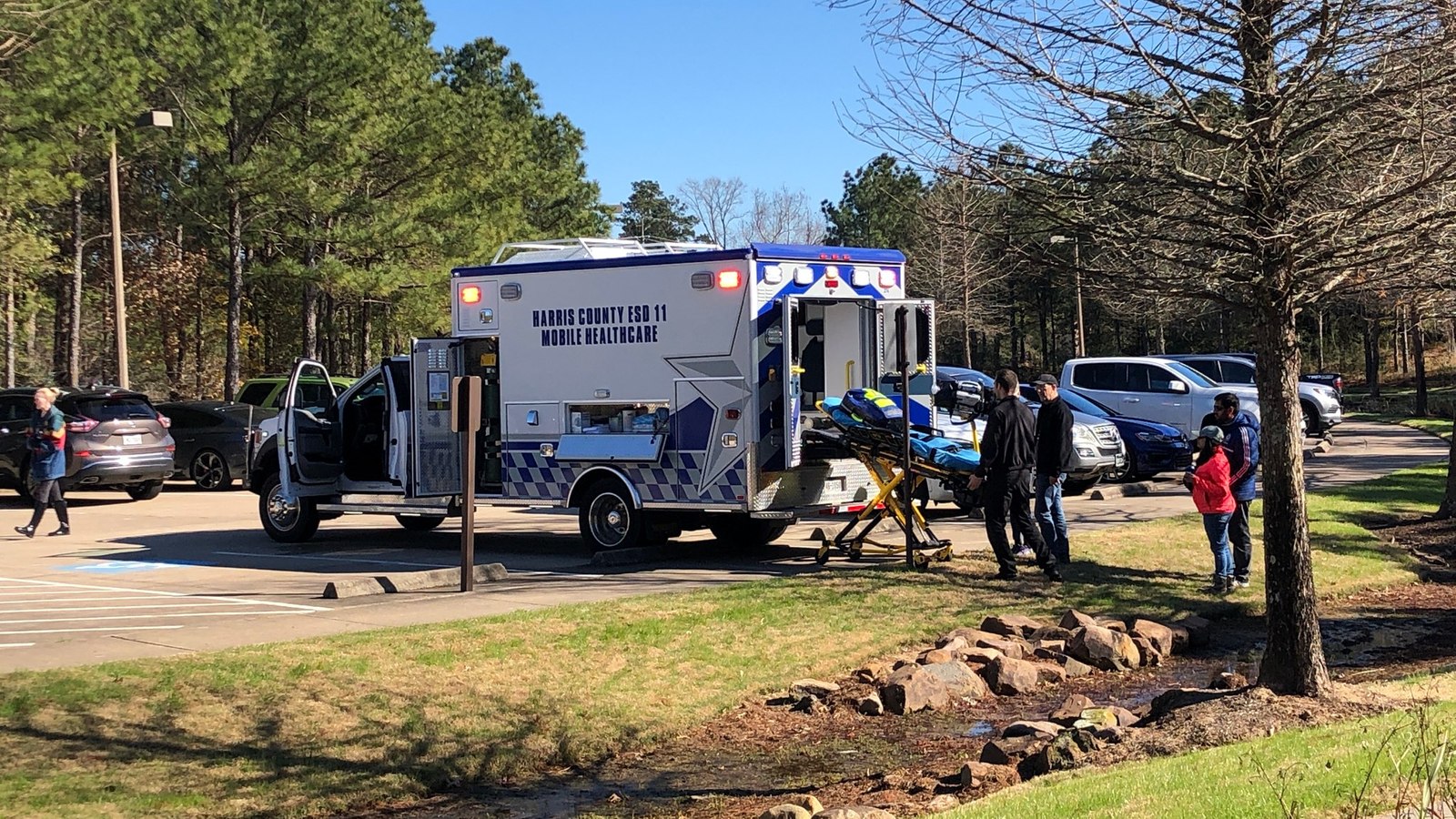
At the new Harris County ESD11 Mobile Healthcare, we were tasked with quite the new employee clinical orientation challenge. Two hundred paramedics – all with existing full-time jobs in other services – 6 days to divvy 8 hours of clinical material … go!
Ten commandments have seemed to stick over time, so we copied that idea and developed the Harris County ESD11 Mobile Healthcare Clinical Commandments with the goal of setting initial expectations and tone moving forward.
Ten commandments have seemed to stick over time, so we copied that idea and developed the Harris County ESD11 Mobile Healthcare Clinical Commandments with the goal of setting initial expectations and tone moving forward. (Photo/Harris County ESD11 Mobile Healthcare)
No text material or evidence-based best practice existed to guide us through this process. Obviously, the high-risk clinical topics were high on the priority list – airway management, difficult refusals and chemical restraint. However, before getting into anatomy, physiology and pharmacology, we felt it was vital to address our clinical foundations for this brand new EMS service.
Ten commandments have seemed to stick over time, so we copied that idea and developed the Harris County ESD11 Mobile Healthcare Clinical Commandments with the goal of setting initial expectations and tone moving forward.
Are these the "right" tenets?
There is no right, just our starting point.
Are there other correct answers?
Of course, these were just our building blocks.
Thanks for reading along and we'd love to hear additional feedback, ideas and suggestions.
1. PATIENTS ARE THE FOUNDATION
The process of developing and initiating a new, urban EMS system from the ground up in a matter of months was a herculean task to say the least. All employees had to clear the hurdles of initial interviews, scheduling around existing employment, truck familiarization, uniform sizing, ePCR implementation, and the usual compliance tasks, just to name a few.
It was an atypical few months for clinical staff and the medical director of an EMS service with no patients or medics. Ultimately, though, each of those apparent logistical, technological and operational hurdles were either directly or indirectly in place to allow for proper patient care. It made sense for us to take it back to the "why" of paramedicine and that's the patient. If patient's best interests and a patient-first attitude are the starting point, then the details of any clinical situation can be refined and addressed from that common ground.
2. ERRORS OF THE MIND VS. ERRORS OF THE HEART
One of the most common medical director questions is, "Can I be fired for a clinical mistake?" and the answer at ESD11 Mobile Healthcare is, absolutely not. However, clinical errors of the mind will inevitably occur.
Prehospital medicine is the culmination of thousands of split-second decisions made with limited information. There is always more to learn and areas for remediation. The clinical department and medical director exist primarily to support, educate and guide the field medics so that they can care for patients at the highest level possible.
Errors of the heart, such as lying, fraud, racism and neglect, are much more difficult to fix, yet easier to manage. They simply will not be tolerated.
3. ASSUME PATIENTS ARE SICK
Throughout various emergency care venues, whether EMS or emergency department, it is not uncommon to see the dangerous attitude creep in where patients must prove to the providers that their illness or complaint reaches some ill-defined "emergency" standard.
We are triage experts in EMS, which is an underappreciated skill, to say the least. To triage properly, however, providers must operate under the assumption that every patient has an emergency and it's up to us in EMS to not miss it. This doesn't mean every patient gets intubated and defibrillated, but it does mean that every patient gets a thorough and efficient exam, with full vitals, a differential consisting of the possible killer diagnoses and rapid transport to the most appropriate resources. We are in the business of death and disability, not of minimization.
4. IN CHARGE MEANS IN CHARGE
At Harris County ESD11 Mobile Healthcare, we operate under a hierarchy of paramedic credentialing. The in-charge paramedic is the lead on each ambulance and the backbone of all clinical care.
The concept of paramedic consultation with supervisors and online/offline medical direction exists in a variety of forms throughout EMS. It is our belief that if we train our most qualified providers to wear the title of "in-charge," then our protocols and practices should allow them to be in clinical command on scene. This allows for the quickest care and transport decisions for our patients. There are occasional checklist verification and supervisory consultation situations, but these are few and far between.
5. BUT … LIFELINES EXIST
There are certain times when supervisor and medical director support and input are needed. A prime example is high-risk/difficult patient refusals of transport. These situations are tough for all emergency providers.
Sometimes, patients change their minds in situations where we feel they are sick and we're unsure that they can comprehend the consequences. What's our end goal? To get our patients to the correct resources promptly. Anecdotes and evidence tell us, a push from the supervisor or urging from the medical director can encourage our patients to make safe decisions. No paramedic will be left on an island in our service.
6. WHEN WE SAY TIME SENSITIVE, WE MEAN IT
There are certain patients and diagnoses where we can positively affect outcomes based on proper scene management and transport decisions (not to get into the details of which time metrics are more valid than others). Large vessel occlusion strokes do better with earlier endovascular retrieval. Trauma patients have better outcomes with shorter on-scene times. EMS recognition of STEMI leads to quicker revascularization.
These facts are not news to anyone reading this, but they do form the foundation of QI/QA metrics and KPIs within any high functioning EMS system. Paramedics must know clear expectations before they can ever be expected to reach any metric goal.
7. TRANSPARENCY IS KEY
Forming a transparent foundation for QA/QI is key as this is the initial source of data within any EMS clinical department. Patient outcomes will be the basis of all continuing education, quality initiatives and protocol revisions for ESD11 Mobile Healthcare. This includes not only EMS outcomes, but also a robust system of data exchange with our hospital partners as well. We are a tax supported, third-service EMS system, so these transparent metrics, KPIs and educational initiatives will always be publicly available to the paramedics, receiving institutions and citizens of the district.
8. EVIDENCE BASED (FOR PATIENT'S SAKE)
Many paramedics inquired about progressive protocols during their initial interview process. We will be progressive at ESD11 Mobile Healthcare, but it will absolutely be progressive for patient's sake. The newest bell or shiny object are always desired across emergency care. Protocol updates, pharmacologic additions and procedural advancements will only be initiated if the service feels a gap in current patient care can be filled with the change. If said change is made, then open and transparent data collection will take place with an end goal and plan in place, for eventual peer-reviewed validation. This is the full circle of EMS clinical transparency.
9. WITH PARALYSIS AND RESTRAINT COME GREAT RESPONSIBILITY
Spider Man popularized the quote, "With great power comes great responsibility." This applies directly to any progressive or advanced EMS service capable of paralytic assisted intubation and/or chemical restraint. Pharmacologic and procedural detail aside, we must consider and always respect the gravity of taking over the faculties of a fellow human to better breathe or care for them.
This is a monumental decision that is accompanied by the absolute, non-negotiable requirement that paramedics and emergency providers know associated protocols with medication dosages, indications, contraindications and side-effects. The gravity and importance of airway management and chemical restraint was the focus of all clinical education that followed our 10 clinical commandments discussion.
10. KINDNESS IS EXPECTED
The ESD11 Mobile Healthcare clinical 10 commandments start and end with the patient as our foundation. We must always put the patient first. In addition, kindness, compassion and empathy are expected.
As first responders, we have the honor of meeting our public on their worst days. Heart attacks, strokes and motor vehicle crashes are often the most emotionally and physically traumatic days of those individual patient's lives. Yes, we see these events shift after shift, but we cannot underestimate our ability to have positive (or negative) impact on each patient that they will forever remember.
A mentor and giant of emergency medicine, Dr. Kevin Rodgers, often said, "Patients don't care how much you know until they know how much you care."
Read more:
Read more:
12 onboarding strategies for new hires with Maria Beermann-Foat
In this episode, our co-hosts are joined by Maria Beermann-Foat to discuss how agencies can start the retention process in the first 90 days of a new hire
ABOUT THE AUTHORS
Casey Patrick, MD, FAEMS
Dr. Casey Patrick is medical director for Harris County ESD11 Mobile Healthcare and assistant medical director for the Montgomery County Hospital District EMS service in Greater Houston, where he helped develop and produces the MCHD Paramedic Podcast. Dr. Patrick is board certified in both Emergency and EMS Medicine and works as a community emergency physician in multiple states. Additionally, he is an active member of the Texas NAEMSP State chapter and the national association, and serves as an EMS1 Editorial Advisory Board member.
Xavier De La Rosa, BS, LP, NRP, FP-C
Lieutenant Xavier A. De La Rosa, BS, LP, NRP, FP-C, is chief clinical officer for Harris County ESD 11 Mobile Healthcare. He has held multiple roles including for-profit EMS, 911 EMS, flight medicine and EMS-based fire service, and as a lieutenant in the Training Division of Fort Bend County EMS in Texas.
He has a degree in Emergency Health Sciences from the University of Texas Health Science Center San Antonio and is currently enrolled at Johns Hopkins University for his Master's of Business Administration degree, with concentrations in Private and Public sector leadership and Health Innovation, Technology and Management.
REQUEST PRODUCT INFO FROM TOP EPCR– ELECTRONIC PATIENT CARE REPORTING COMPANIES
Select one or more companies*
Check all
ImageTrend Inc.
Forte Holdings iPCR
ZOLL Data Systems
ESO
Unified Solutions
AIM EMS Software & Services
First Name*
Last Name*
Email*
Organization*
Title/Position
Phone*
1 555 123 4567 ext 4321
I recommend or purchase products for my Department*
- please select -
Purchasing Timeframe*
- please select -
Any questions or additional information on your needs?
Create my free membership
By checking above, you agree to the Terms of Service.
By submitting your information, you agree to be contacted by the selected vendor(s) and that the data you submit is exempt from Do Not Sell My Personal Information requests. View our Terms of Service and Privacy Policy.
Tags Airway Management Assessment Drugs EMS Training EMT, EMS, Paramedic Jobs and Careers EMTs Intubation Ketamine Leadership Medical Medical / Clinical Medical Treatment Mobile Data Mobile Health Care Patient Assessment Pharmacology Quality Assurance STEMI Stroke Stroke Care Year One: Creating a career path for new EMTs
JOIN THE DISCUSSION
Be the first
to comment
Please sign in or register to write your own comments below.
Before commenting, please read EMS1's Commenting Policy
SIGN INREGISTER
LATEST PRODUCT NEWS
3.5 investments for the new EMT that are worth every penny2
EMS director fired after finding $100K in 'financial irregularities'2
AMR to pay $600K to resolve government billing claims, feds say
Can you catch an emotion?
New beginnings: Why anytime resolutions aren't a joke
MORE PRODUCT NEWS
PRODUCT ORIGINALS
On-demand webinar: 2022 ESO EMS Index: Insights and Best Practices for EMS Agencies
Gresh, Ott and Taigman: Cyber update
10 clinical commandments
Automating medical supply inventory management
How every EMS provider can be part of the supply chain solution
MORE PRODUCT ORIGINALS
EPCR– ELECTRONIC PATIENT CARE REPORTING
Sponsored by
ZOLL Data Systems
ZOLL Data Systems
Unified Solutions
Unified Solutions
ImageTrend Inc.
ImageTrend Inc.
ESO
ESO
ALL EPCR– ELECTRONIC PATIENT CARE REPORTING SPONSORS
EPCR– ELECTRONIC PATIENT CARE REPORTING ARTICLES
On-demand webinar: 2022 ESO EMS Index: Insights and Best Practices for EMS Agencies
Gresh, Ott and Taigman: Cyber update
President Biden warns of Russian cyberattacks on public safety
ESO report: EMS delivered 47% more death notifications in 2021
MORE EPCR– ELECTRONIC PATIENT CARE REPORTING ARTICLES
HOW TO BUY GUIDES
How to buy ambulances (eBook)
How to buy virtual EMS education solutions (eBook)
How to buy fleet management products (eBook)
FEATURED DISTRIBUTORS
V.E. Ralph
V.E. Ralph
Blauer Manufacturing Co. Inc.
Blauer Manufacturing Co. Inc.
ALL DISTRIBUTORS
EPCR– ELECTRONIC PATIENT CARE REPORTING DEALS
Premium EMS Billing Software for 2022
Premium EMS Billing Software for 2022
From AIM EMS Software & Services
Free On-Demand Webinars from ZOLL Data Systems
Free On-Demand Webinars from ZOLL Data Systems
From ZOLL Data Systems
MORE EPCR– ELECTRONIC PATIENT CARE REPORTING DEALS
EMS1.com
About EMS1AdvertiseContact UsMember SupportMy ProfilePrivacy PolicyCookie Notice
EMS1 is revolutionizing the way in which the EMS community finds relevant news, identifies important training information, interacts with each other and researches product purchases and suppliers. It has become the most comprehensive and trusted online destination for prehospital and emergency medical services.
Lexipol
Copyright © 2022 Lexipol. All rights reserved.
Do Not Sell My Personal Information
News & Video
Columnists
EMS News
EMS Newsletters
EMS Videos
Editorial Board
Copyright Info
Popular Products
AEDs/Monitors
Ambulances
CPR
EMS Software
EMT Books
Medical Equipment
All EMS Products
Popular Topics
Air Medical
Cardiac Care
EMS Management
Fire EMS
Medical/Clinical
Search & Rescue
Trauma
All EMS Topics
Resources
EMS 101
EMS Jobs
EMS Grants
EMS Training
EMS1 Sponsors
Write for EMS1
In Our Network
Our EMS1 Partners
Fire News
Fire Grants
EMT Exams
LocalGovU
Tactical EMS
Fire Leadership
Lexipol
Visit other EMS1 Network Sites:
EMS1
|