Αρχειοθήκη ιστολογίου

Τετάρτη 19 Οκτωβρίου 2022

Cochlear Implants for Single‐Sided Deafness: Quality of Life, Daily Usage, and Duration of Deafness

alexandrossfakianakis shared this article with you from Inoreader
Cochlear Implants for Single-Sided Deafness: Quality of Life, Daily Usage, and Duration of Deafness

The current study was undertaken to report our experience for adults undergoing cochlear implantation (CI) for single-sided deafness (SSD). We present the largest cohort of patients with SSD treated with CI to date. This group demonstrates significant benefit with regards to speech recognition scores, tinnitus measures, and quality of life metrics. We present novel insights regarding the CIQOL-10 measure, correlation of speech recognition and QoL scores with daily usage "datalogging" as well as the impact of duration of deafness on outcomes for patients with CI for SSD.


Objective

To report our experience for adults undergoing cochlear implantation (CI) for single-sided deafness (SSD).

Methods

This is a retrospective case series for adults with SSD who underwent CI between January 2013 and May 2021 at our institution. CNC and AzBio speech recognition scores, Tinnitus Handicap Inventory (THI), Speech, Spatial, and Qualities of Hearing Scale (SSQ12), datalogging, and the Cochlear Implant Quality of Life (CIQOL)-10 Global measure were utilized.

Results

Sixty-six adults underwent CI for SSD (median 51.3 years, range 20.0–74.3 years), and 57 (86.4%) remained device users at last follow-up. Compared to pre-operative performance, device users demonstrated significant improvement in speech recognition scores and achieved peak performance at six months post-activation for CNC (8.0% increased to 45.6%, p < 0.0001) and AzBio in quiet (12.2% increased to 59.5%, p < 0.0001). THI was decreased at 6 months post-implantation (58.1–14.6, p < 0.0001), with 77% of patients reporting improved or resolved tinnitus. Patients demonstrated improved SSQ12 scores as well as the disease-specific CIQOL-10 Global questionnaire. Duration of deafness was not associated with significant differences in speech recognition performance. Average daily wear time was positively associated with CNC and AzBio scores as well as post-operative CIQOL-10 scores.

Conclusions

Herein we present the largest cohort of adult CI recipients with SSD with data on speech recognition scores, tinnitus measures, and SSQ12. Novel insights regarding the correlation of datalogging, duration of deafness, and CI-specific quality of life (CIQOL-10) metrics are discussed. Data continue to support CI as an efficacious treatment option for SSD.

Level of Evidence

IV Laryngoscope, 2022

View on Web

Comparison of propeller flaps versus skin grafts for coverage of osteocutaneous fibula free flap donor site defects

alexandrossfakianakis shared this article with you from Inoreader

Abstract

Background

Authors compare use of propeller flaps versus skin grafts in defect coverage after fibula flap harvest.

Materials and Methods

Retrospective review of patients who received either PFPF or STSG. Primary predictor variable was technique, and secondary predictor variables were comorbidities. Primary outcome variable was flap/graft healing, and secondary outcome variables were cosmesis, adverse events, effect on activities of daily living (ADLs), pain, additional procedures, and cost. Statistical analysis performed via independent sample t tests, ANOVA, and χ 2 tests. Logistic regression analysis was performed.

Results

Study sample was 50 patients. PFPFs showed higher rates of success, while STSG showed increased complications and adverse events. Pain and ADLs significantly affected in STSG group. Cosmesis was better in the PFPF group, and overall cost was significantly higher in STSG group.

Conclusion

PFPFs show greater success rates, fewer complications, improved cosmesis, less pain, reduced cost compared to STSG for wound coverage after fibula flap harvest.

View on Web

Proton pump inhibitors and myocardial infarction: an application of active comparators in a self-controlled case series

alexandrossfakianakis shared this article with you from Inoreader

m_dyac196f1.jpeg?Expires=1729259607&Sign

Abstract
BackgroundPrevious studies investigating potential cardiovascular adverse events of acid-suppressing drugs are susceptible to protopathic bias and confounding. We aimed to investigate the association between short-term risk of myocardial infarction (MI) and proton pump inhibitors (PPIs) using a self-controlled case series (SCCS) with an active comparator.
Methods
We conducted a SCCS using a population-wide database from Hong Kong from 2003–2014. Adult with ≥1 outpatient oral PPI prescription or H2 receptor antagonist (H2RA) and MI during the observation period were included. We used both simple ratio and effect modifier approaches to SCCS with active comparators to obtain comparator adjusted estimates.
Results
A total of 2802 and 1889 people with MI who had exposure to PPIs and H2RA were included respectively. We observed a higher risk of MI during days 1–14 following the start of PPI prescription (Incidence rate ratio (IRR): 2.30, 95 % confidence interval (CI): 1.76–3.00) versus baseline. Similarly, we observed a higher risk of MI during days 1–14 following the start of H2RA prescription (IRR: 2.46, 95%CI: 1.92–3.16) versus baseline. In the novel SCCS analyses, comparator adjusted estimates were 0.93 (95%CI: 0.57–1.30) and 0.83 (95%CI: 0.58–1.20) during days 1–14 in simple ratio and effect modifier approach, respectively.
Conclusions
We observed no difference in risk of MI associated with PPIs compared with baseline using H2RA as the active comparator. The elevated risk of MI associated with PPIs is likely due to protopathic bias. More studies are required to explore the feasibility of using active comparators in SCCS to address protopathic bias in addition to confounding.
View on Web

Associations of Prenatal First Trimester Essential and Nonessential Metal Mixtures with Body Size and Adiposity in Childhood.

alexandrossfakianakis shared this article with you from Inoreader

SocialThumb.00001648.DC.jpeg

Background: Prenatal nonessential metals may contribute to postnatal adiposity, while essential metals may have metabolic benefits. We evaluated joint and individual associations between prenatal metals and childhood adiposity. Methods: We measured concentrations of six nonessential (arsenic, barium, cadmium, cesium, lead, mercury) and four essential (magnesium, manganese, selenium, zinc) metals in first trimester maternal blood from a pre-birth cohort. We collected anthropometric measures in early childhood, mid-childhood, and early adolescence including subscapular+tricep skinfold thickness (mm) (N=715-859), waist circumference (cm) (N=717-882), and BMI (z-score) (N=716-875). We measured adiposity in mid-childhood and early adolescence using bone densitometry total- and trunk fat-mass index (kg/m2) (N=511-599). We estimated associations using adjusted quantile g-computation and linear regression. Results: The nonessential metal mixture was associated with higher total (β=0.07, 95% CI: 0.01, 0.12) and trunk fat-mass index (β=0.12, CI: 0.02, 0.22), waist circumference (β=0.01, CI: 0.00, 0.01), and BMI (β=0.24, CI: 0.07, 0.41) in mid-childhood, and total fat-mass index (β=0.07, CI: 0.01, 0.14) and BMI (β=0.19, CI: 0.02, 0.37) in early adolescence. The essential metal mixture was associated with lower early adolescence total (β= –0.11, CI: -0.17, -0.04) and trunk fat-mass index (β=-0.13, CI: -0.21, -0.05), subscapular+tricep skinfold thickness (β=-0.02, CI: -0.03, -0.00), waist circumference (β=-0.003, CI: -0.01, -0.00), and BMI (β=-0.16, CI: -0.28, -0.04). Cadmium and cesium were individually associated with childhood adiposity at different timepoints. Conclusions: Prenatal first trimester essential metals were associated with lower childhood adiposity, whereas nonessential metals were associated with higher adiposity into adolescence. Copyright © 2022 Wolters Kluwer Health, Inc. All rights reserved.

View on Web

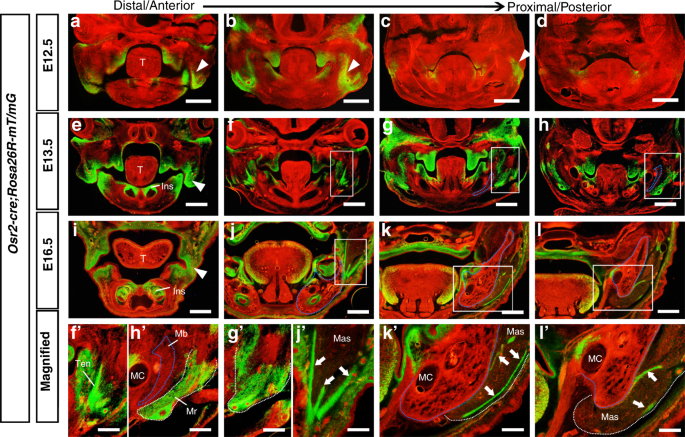
Disrupted tenogenesis in masseter as a potential cause of micrognathia

alexandrossfakianakis shared this article with you from Inoreader

41368_2022_196_Fig1_HTML.png

International Journal of Oral Science, Published online: 18 October 2022; doi:10.1038/s41368-022-00196-y

Disrupted tenogenesis in masseter as a potential cause of micrognathia
View on Web

Τρίτη 18 Οκτωβρίου 2022

Brief Report: Urine Tenofovir Levels Strongly Correlate with Virologic Suppression in Patients with HIV on Tenofovir Alafenamide-Based Antiretroviral Therapy

alexandrossfakianakis shared this article with you from Inoreader

cid_ogimage.png

Abstract
We found that urine tenofovir (TFV) levels >1500 ng/ml strongly predict virologic suppression among patients with HIV taking tenofovir alafenamide (TAF, OR 5.66; 95% CI 1.59-20.14; p = 0.007). This suggests an existing point-of-care assay developed for tenofovir disoproxil fumarate (TDF) will support adherence monitoring for patients on all TFV-based antiretrovirals.
View on Web

The paradox of technology: Negativity bias in consumer adoption of innovative technologies

alexandrossfakianakis shared this article with you from Inoreader

Abstract

Innovative technologies often feature inherently conflicting properties. This poses a challenge for marketers because negative properties not only weigh heavily on consumers' technology adoption decisions but potentially do more so than positive ones. To shed light on the paradox of technology and its underlying processes, the present research develops a conceptual model drawing on technology adoption and valence perception theories about the prevalence of negativity bias in consumers' technology adoption decisions with its unique effect through the serial chain of consumers' perceptions of risk and trust regarding the technology. Results of three studies (N = 1309) demonstrate that the effect of negative valence consistently outperforms that of positive valence in consumers' technology adoption intentions (Studies 1–2) and decisions (Study 3). Furthermore, results show that the disproportionate effect of negative (vs. positive) valence can be expl ained by the proposed serial causal chain through consumers' perception of risk of the technology and trust in the technology (Studies 2–3) while ruling out company trust and consumer knowledge as alternative drivers of the effects (Study 3). These findings contribute to the pertinent literature on consumer psychology in decisions to adopt novel technologies in that they quantify and explain the potential outcome stemming from the ambiguous properties of novel technology. Moreover, this study finds negativity bias to be an often overlooked consumer bias with implications for marketing practice and useful for understanding and lowering resistance towards artificial intelligence technology.

View on Web

Adoption of adjuvant chemotherapy in high‐risk salivary gland malignancies

alexandrossfakianakis shared this article with you from Inoreader

Abstract

Background

The present study characterizes national trends in the utilization of adjuvant chemotherapy to treat salivary gland malignancies.

Methods

The National Cancer Database was queried for salivary gland malignancies treated by surgery with radiation in 2004–2019. Proportions of patients receiving adjuvant chemotherapy over the study period were analyzed by linear regression. The impact of chemotherapy on overall survival was assessed using Kaplan–Meier and Cox proportional hazards analyses.

Results

Among 15 965 patients meeting inclusion criteria, 2355 (14.8%) received adjuvant chemotherapy. Chemotherapy utilization significantly increased from 4.9% to 16.5% over the study period (p < 0.001). No survival benefit was observed with adjuvant chemotherapy on propensity score-matched Kaplan–Meier analysis (HR: 0.98; 95% CI: 0.86–1.11; p = 0.72) or multivariable Cox regression (HR: 0.92; 95% CI: 0.78–1.09; p = 0.34).

Conclusions

Adjuvant chemotherapy has been increasingly utilized to treat salivary gland malignancies in recent years. Our findings highlight the importance of obtaining high-quality prospective data regarding the benefit of chemotherapy.

View on Web

Tamoxifen Alters TGF‐β1/Smad Signaling in Vocal Fold Injury

alexandrossfakianakis shared this article with you from Inoreader
Tamoxifen Alters TGF-β1/Smad Signaling in Vocal Fold Injury

This study investigated the effects of tamoxifen on acute vocal fold injury in a preclinical model. The antifibrotic actions of tamoxifen appear to be mediated by transforming growth factor beta 1/Smad signaling providing a novel target for intervention.


Objectives

Effective treatments for vocal fold fibrosis remain elusive. Tamoxifen (TAM) is a selective estrogen receptor modulator and was recently reported to have antifibrotic actions. We hypothesized that TAM inhibits vocal fold fibrosis via altered transforming growth factor beta 1 (TGF-β1) signaling. Both in vitro and in vivo approaches were employed to address this hypothesis.

Methods

In vitro, vocal fold fibroblasts were treated with TAM (10−8 or 10−9 M) ± TGF-β1 (10 ng/ml) to quantify cell proliferation. The effects of TAM on genes related to fibrosis were quantified via quantitative real-time polymerase chain reaction. In vivo, rat vocal folds were unilaterally injured, and TAM was administered by oral gavage from pre-injury day 5 to post-injury day 7. The rats were randomized into two groups: 0 mg/kg/day (sham) and 50 mg/kg/day (TAM). Histological changes were examined on day 56 to assess tissue architecture.

Results

TAM (10−8 M) did not affect Smad3, Smad7, Acta2, or genes related to extracellular matrix metabolism. TAM (10−8 or 10−9 M) + TGF-β1, however, significantly increased Smad7 and Has3 expression and decreased Col1a1 and Acta2 expression compared to TGF-β1 alone. In vivo, TAM significantly increased lamina propria area, hyaluronic acid concentration, and reduced collagen deposition compared to sham treatment.

Conclusions

TAM has antifibrotic potential via the regulation of TGF-β1/Smad signaling in vocal fold injury. These findings provide foundational data to develop innovative therapeutic options for vocal fold fibrosis.

Level of Evidence

NA Laryngoscope, 2022

View on Web

Monkeypox treatment: current evidence and future perspectives

alexandrossfakianakis shared this article with you from Inoreader

Abstract

As of 11 September 2022, 57,669 reports of monkeypox infection raised global concern. Previous vaccinia virus vaccination can protect from monkeypox. However, after smallpox eradication, immunization against that was stopped. Indeed, therapeutic options following the disease onset are of great value. This study aimed to review the available evidence on virology and treatment approaches for monkeypox and provide guidance for patient care and future studies.

Since no randomized clinical trials were ever performed, we reviewed monkeypox animal model studies and clinical trials on the safety and pharmacokinetics of available medications. Brincidofovir and tecovirimat were the most studied medications that got approval for smallpox treatment according to the Animal Rule. Due to the conserved virology among orthopoxviruses, available medications might also be effective against monkeypox. However, tecovirimat has the strongest evidence to be effective and saf e for monkeypox treatment, and if there is a choice between the two drugs, tecovirimat has shown more promise so far. The risk of resistance should be considered in patients who failed to respond to tecovirimat. Hence, the target-based design of novel antivirals will enhance the availability and spectrum of effective anti-orthopoxvirus agents.

This article is protected by copyright. All rights reserved.

View on Web