Αρχειοθήκη ιστολογίου

Κυριακή 6 Νοεμβρίου 2022

Characteristics of Orbital Injuries Associated with Maxillofacial Trauma

alexandrossfakianakis shared this article with you from Inoreader

Introduction

The incidence of ocular injury associated with maxillofacial trauma remains poorly defined, with reported rates ranging from 0.8% to 92%. Our study aims to more accurately characterize ocular injuries associated with midface fractures.

Methods

We performed a retrospective review of 1677 patients from 2015 to 2020 with midface fractures at a Level I trauma center. Isolated nasal bone and frontal process of the maxilla fractures were excluded. Demographic information, mechanism of injury, need for surgery, and ophthalmologic findings were documented. Statistical analysis was conducted using SPSS.

Results

773 patients between the ages of 15 and 92 were identified. Trauma most commonly resulted from assault (63.8%). The association between the mechanism of injury and ocular injury was statistically significant (p = 0.003), with 78.6% of gunshot wounds and 44.3% of assault patients having an ocular injury. The Ophthalmology service evaluated 62.6% of cases preoperatively. Minor ocular injury occurred in 36% of patients, including 46.1% of isolated orbital floor, and 28.2% of zygomaticomaxillary complex fractures. Major ocular injury occurred in 10.5% of patients.

Conclusions

Over 10% of patients with midface fractures were found to have major ocular injuries. Ophthalmologic exams should be performed for all patients with midface fractures to guide clinical decision making and prevent further intraoperative ocular insults.

Level of Evidence

Level 4. This study represents a retrospective cohort study analyzing ocular injuries detected in patients presenting to a Level I trauma center with maxillofacial fractures between 2015 and 2020 Laryngoscope, 2022

View on Web

Update of the classification of midpalatal suture behaviour after surgically assisted rapid maxillary expansion using computed tomography

alexandrossfakianakis shared this article with you from Inoreader
The aim of this study was to update the midpalatal suture classification after surgically assisted rapid maxillary expansion (SARME) using computed tomography (CT). Thirty-five patients with a transverse maxillary deficiency and unilateral or bilateral posterior crossbite underwent SARME with osteotomy of the pterygoid apophysis of the sphenoid. CT was performed before installation of the Hyrax expander appliance and after the final activation. Opening of the midpalatal suture was classified into three types: type I, total midpalatal suture opening from anterior nasal spine (ANS) to posterior nasal spine (PNS); type II, partial midpalatal suture opening from ANS to the transverse palatine suture, with partial or non-existent opening of the midpalatal suture posterior to the transverse pala...
View on Web

Assessing the Relationship Between Pitch Perception and Neural Health in Cochlear Implant Users

alexandrossfakianakis shared this article with you from Inoreader
This study investigated whether the neural health estimates have stronger correlations with the temporal and place pitch sensitivity than with the speech recognition performance. On five electrodes in 12 tested ears of eight adult CI users, polarity effect (PE), multipulse integration (MPI), and interphase gap (IPG) effect on the amplitude growth function (AGF) of electrically evoked compound action potential (ECAP) were measured to estimate neural health, while thresholds of amplitude modulation frequency ranking (AMFR) and virtual channel ranking (VCR) were measured to indicate temporal and place pitch sensitivity. AzBio sentence recognition in noise was measured using the clinical CI processor for each ear. The results showed significantly poorer AMFR and VCR thresholds on the basal ele...
View on Web

Radiographic Response of Solitary Plasmacytomas After Conformal Radiotherapy May Be Delayed: Outcomes in the 3D Era

alexandrossfakianakis shared this article with you from Inoreader
imageObjective: Although recurrence rates after radiotherapy for solitary plasmacytoma (SP) are well established, little is known about how SP responds radiographically, as most historical patients were treated in the 2D era. We evaluated the response to radiotherapy among SP patients staged and treated with 3D techniques, including proton therapy, which has not yet been previously reported. Methods and Materials: Between 2007 and 2021, 15 SP patients (4 extramedullary, 11 bone) staged with 3D imaging and bone marrow evaluation were consecutively treated with definitive radiotherapy. The best response was categorized in 9 evaluable patients according to response evaluation criteria in solid tumors (RECIST) and positron emission tomography response criteria in solid tumors (PERCIST). Results: With a median follow-up of 34 months, 4 patients relapsed. The median time to the best response was ~2 years (26.6 mo RECIST, 25.4 mo PERCIST). Response rates differed based on response assessment criteria. PERCIST was associated with higher rates of complete (85.7%) or partial response (14.3%) compared with RECIST (16.7% complete, 33.3% partial). Two-year and 4-year PFS for extramedullary SP were 100% and 75%, compared with 91% and 55% for bone (P=0.75). Patients treated with proton therapy (n=5) did not appear to have different patterns of relapse (1 marginal, 1 distant) compared with those treated with photons or electrons (n=10; 2 distant). Conclusions: More conformal dose distribution with proton therapy does not appear to alter patterns of recurrence. Although response rates differ based on criteria by both RECIST and PERCIST assessments, the radiographic response may be slow and requires validation in other cohorts.
View on Web

Safety and outcome of ultrasound‐guided tunneled central venous catheter in children

alexandrossfakianakis shared this article with you from Inoreader

Abstract

Background

Central venous access devices (CVAD) are vital for cancer therapeutics in pediatric oncology. Tunneled vascular access devices (TVAD) are preferred in children for prolonged and frequent vascular access. Data on insertion, care, and complications of CVAD in children from low middle-income countries (LMIC) are scarce, heterogeneous, and retrospective.

Procedure

This prospective observational study on eligible children <12 years with pediatric malignancies requiring chemotherapy for minimum 6 months from diagnosis excluded children with mucosal bleeding, coagulopathy, and infections. TVAD insertion was ultrasound (USG) guided. Number of catheter-days, surgical and nonsurgical complications, and risk factors for catheter-related bloodstream infections (CRBSI) were noted TVAD removal due to complications, therapy completion, tumor progression, or death.

Results

Data from 61 of 86 eligible children with median age 42 months (range 1–144) were analyzed. Hematological malignancy and severe thrombocytopenia were seen in 37/61 (61%) and 18/61 (30%) children, respectively. First-attempt success rate was 74%. Surgical complications were seen in four of 61 (7%). Nonsurgical complications were seen in 33/61 (54%) children; CRBSI was commonest 24/61 (39%), causing removal of TVAD in 14/61 (23%). Incidence per 1000 catheter-days for CRBSI was 3.24. Antibiotic lock therapy could salvage nine of 24 TVAD with CRBSI. Thrombus and accidental removal was seen in six of 61 (10%) and four of 61 (7%). None of the studied risk factors were significantly associated with CRBSI. The mean insertion duration of TVAD was 121 ± 90 days.

Conclusion

USG-guided TVAD insertion is safe and reliable way for chemotherapy administration with acceptable complications in children with malignancies in LMIC, including children with severe thrombocytopenia.

View on Web

Transcriptional analysis of the mfa‐cluster genes in Porphyromonas gingivalis strains with one and two mfa5 genes

alexandrossfakianakis shared this article with you from Inoreader

Abstract

The Porphyromonas gingivalis Mfa1 fimbria is composed of the Mfa1 to Mfa5 proteins, encoded by the mfa1 to mfa5 genes, respectively, which are tandemly arranged on chromosomes. A recent study discovered that many P. gingivalis strains possess two mfa5 genes (called herein mfa5-1 and mfa5-2), which are also in tandem. This study examined the transcriptional unit and activity of mfa-cluster genes in strains with one (the ATCC 33277 and TDC60 strains) and two (the HG66 and A7436 strains) mfa5 genes. Complementary DNA was prepared from the total RNA extracted from the bacterial cells in the logarithmic growth phase using a random primer. PCR analysis for the intergenic regions from mfa1 to mfa5 or mfa5-2 showed that mfa1 to mfa5 or mfa5-2 formed a polycistronic gene cluster. Quantitative real-time PCR showed that the mfa1 transcription was 5–10 times higher than tha t of mfa2 in all the strains. However, mfa2 to mfa5 mostly showed a comparable expression. Both mfa5 genes were comparably transcribed in HG66 and A7436 strains. The transcriptional levels were almost consistent with the respective protein expression levels. In silico analysis identified a transcriptional terminator structure in the intergenic region between mfa1 and mfa2 that was probably responsible for the decreased transcription rate of mfa2 and the downstream genes.

This article is protected by copyright. All rights reserved

View on Web

Randomized phase III study of high-dose methotrexate and whole-brain radiotherapy with/without temozolomide for newly diagnosed primary CNS lymphoma: JCOG1114C

alexandrossfakianakis shared this article with you from Inoreader
Abstract
Background
The goal was to determine whether the addition of temozolomide (TMZ) to the standard treatment of high-dose methotrexate (HD-MTX) and whole-brain radiotherapy (WBRT) for primary central nervous system lymphoma (PCNSL) improves survival.
Methods
An open-label, randomized, phase III trial was conducted in Japan, enrolling immunocompetent patients aged 20-70 years with histologically confirmed, newly diagnosed PCNSL. After administration of HD-MTX, patients were randomly assigned to receive WBRT (30 Gy) ± 10 Gy boost (arm A) or WBRT ± boost with concomitant and maintenance TMZ for two years (arm B). The primary endpoint was overall survival (OS).
Results
Between September 29, 2014 and October 15, 2018, 134 patients were enrolled, of whom 122 were randomly assigned and analyzed. At the planned interim analysis, two-year OS was 86.8% (95% confidence interval [CI]: 72.5-94.0%) in arm A and 71.4% (56.0-82.2%) in arm B. The hazard ratio was 2.18 (95% CI: 0.95 to 4.98), with the predicted probability of showing the superiority of arm B at the final analysis estimated to be 1.3%. The study was terminated early due to futility. O 6-methylguanine-DNA methyltransferase (MGMT) promoter methylation status was measured in 115 tumors, and it was neither prognostic nor predictive of TMZ response.
Conclusions
This study failed to demonstrate the benefit of concomitant and maintenance TMZ in newly diagnosed PCNSL.
View on Web

Endoscopic transoral approach to the lateral poststyloid space

alexandrossfakianakis shared this article with you from Inoreader

Abstract

The lateral poststyloid space (LPSS) located at the posterolateral aspect of the styloid process. This study aims to explore the anatomical relationships in LPSS via a transoral corridor, providing reference for addressing lesions extending to this region. An endoscopic transoral approach for exposure of the LPSS was performed on 6 cadaveric specimens (12 sides). Related landmarks were explored, and transoral extirpation of tumors extended into LPSS was employed in 12 patients. The deep lobe of the parotid gland, extratemporal facial nerve, and the accompanying artery in the LPSS were sufficiently exposed via the transoral corridor in all 12 cadaveric sides. The transoral corridor provided adequate exposure for tumors extending to the LPSS, and en bloc resection was achieved in these 12 patients. No facial nerve or vascular injury occurred, and no recurrence observed in this cohort with an average follow-up of 26 months. An endoscopic transoral approach provides a direct access to the LPSS. Appreciation of the anatomical relationships within the LPSS is valuable for employing a transoral extirpation of tumors extending to this specific region.

View on Web

Remimazolam versus propofol for deep sedation/anaesthesia in upper gastrointestinal endoscopy in elderly patients: A multicenter, randomized controlled trial

alexandrossfakianakis shared this article with you from Inoreader
Remimazolam versus propofol for deep sedation/anaesthesia in upper gastrointestinal endoscopy in elderly patients: A multicenter, randomized controlled trial

The rate of hypotension was 36.5% in the remimazolam group and 69.6% in the propofol group (p < 0.001). The remimazolam group also had a lower rate of bradycardia (1.5% vs. 8.5%, p < 0.001) and respiratory depression (4.5% vs. 10.0%, p < 0.05).


Abstract

Background and Objective

Propofol is the most commonly used sedative in gastrointestinal endoscopic procedures, but is associated with cardiorespiratory suppression, particularly in elderly patients. Remimazolam is a new short-acting GABA(A) receptor agonist with minimal impact on cardiorespiratory suppression, and may be a viable alternative in elderly patients undergoing endoscopic procedures.

Methods

This multicenter, randomized controlled trial was conducted between September 2020 and September 2021. Elderly patients (65–85 years of age) scheduled to undergo upper gastrointestinal endoscopy were randomized in 1:1 ratio to receive remimazolam tosilate (300 mg/h) or propofol (3 g/h) in addition to 50-μg fentanyl, until the Modified Observer's Assessment of Alertness/Sedation Scale (MOAA/S) reached ≤1. MOAA/S was maintained at 0 or 1 throughout the procedure using 2.5 mg remimazolam or 0.5 mg/kg propofol boluses in the two groups, respectively. The primary outcome was the rate of hypotension (defined as systolic blood pressure at ≤90 mmHg or > 30% decline vs. the baseline). Bradycardia was defined as heart rate ≤50 per minute; respiratory depression was defined as respiratory rate <8 per minute and/or SpO2 < 90%.

Results

A total of 400 patients (161 men and 239 women; 70.4 ± 4.6 years of age) were enrolled (200 patients per group). Average body mass index was 22.2 ± 2.4 kg/m2. The rate of hypotension was 36.5% in the remimazolam group and 69.6% in the propofol group (p < 0.001). The remimazolam group also had a lower rate of bradycardia (1.5% vs. 8.5%, p < 0.001), respiratory depression (4.5% vs. 10.0%, p < 0.05) and pain at the injection site (0% vs. 12.0%, p < 0.001).

Conclusion

Remimazolam was associated with a lower rate of hypotension in elderly patients undergoing upper gastrointestinal endoscopy under deep sedation/anaesthesia than propofol.

View on Web

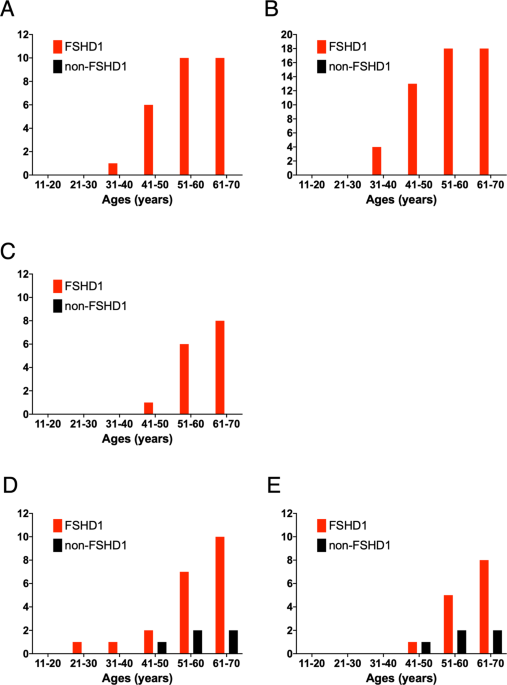
Gastrointestinal cancer occurs as extramuscular manifestation in FSHD1 patients

alexandrossfakianakis shared this article with you from Inoreader

10038_2022_1095_Fig1_HTML.png

Journal of Human Genetics, Published online: 07 November 2022; doi:10.1038/s10038-022-01095-0

Gastrointestinal cancer occurs as extramuscular manifestation in FSHD1 patients
View on Web