Αρχειοθήκη ιστολογίου

Κυριακή 10 Απριλίου 2022

Racial and rural–urban disparities in cardiovascular risk factors among patients with head and neck cancer in a clinical cohort

alexandrossfakianakis shared this article with you from Inoreader

Abstract

Background

Evidence on distribution of cardiovascular disease (CVD) risk factors in patients with head and neck squamous cell carcinoma (HNSCC) is limited. We assessed disparities in prevalence and incidence of CVD risk factors in patients with HNSCC.

Methods

Electronic health records (EHR) data on 2262 patients with HNSCC diagnosed between 2012 and 2018 at a NCI-designated cancer center were included. Prevalence of CVD risk factors at baseline and incidence at 1-year post HNSCC diagnosis were assessed using logistic and robust Poisson regression, respectively.

Results

At baseline, 31.72% white patients with HNSCC had dyslipidemia, compared to 24.29% blacks (p < 0.008); diabetes was more prevalent in blacks (p < 0.027). Odds of ≥1 prevalent CVD clinical risk factor at baseline was lower in blacks (OR, 95%CI: 0.71, 0.54–0.93) and in rural patients (OR, 95%CI: 0.70, 0.58–0.85). At 1 year, risk of incident diabetes was higher in rural patients (RR, 95%CI: 1.63, 1.21–2.19).

Conclusions

Demographic disparities were observed in distribution of CVD risk factors in patients with HNSCC.

View on the web

Efficacy, safety and prognostic factors of camrelizumab plus carboplatin and pemetrexed chemotherapy in advanced lung adenocarcinoma patients

alexandrossfakianakis shared this article with you from Inoreader
Efficacy, safety and prognostic factors of camrelizumab plus carboplatin and pemetrexed chemotherapy in advanced lung adenocarcinoma patients

Of 51 advanced lung adenocarcinoma patients with negative driver genes who received camrelizumab plus CP chemotherapy were recruited. Patients received 4 cycles of camrelizumab plus CP chemotherapy in a 21-day cycle. Then, camrelizumab, pemetrexed or camrelizumab plus pemetrexed was administered as maintenance therapy. The ORR and DCR were 58.8% and 78.4%, separately. The median PFS was 10.5 months (95%CI: 8.4–12.6 months) with 1-year PFS rate of 36.3% and 2-year PFS rate of 7.5%. Moreover, the median OS was 18.7 months (95%CI: 16.4–21.0 months) with 1-year OS rate of 79.1% and 2-year OS rate of 30.4%. Regarding safety, the commonly observed adverse events were mild and manageable.


Abstract

What is known and objective

Camrelizumab is a recently developed PD-1 inhibitor in China applied in treating different cancers including lung cancer. This study is designed to evaluate the efficacy, safety and prognostic factors for camrelizumab plus carboplatin and pemetrexed (CP) chemotherapy in treating patients with advanced lung adenocarcinoma.

Methods

Of 51 advanced lung adenocarcinoma patients with negative driver genes who received camrelizumab plus CP chemotherapy were recruited. These patients received four cycles of camrelizumab plus CP chemotherapy in a 21-day cycle. Then, camrelizumab, pemetrexed or camrelizumab plus pemetrexed was administered as maintenance therapy.

Results and discussion

The rates of complete response, partial response, stable disease and progressive disease were 2.0%, 56.8%, 19.6% and 5.9%, respectively; while treatment response of 15.7% of patients was missing or not evaluable. The objective response and disease control rates were 58.8% and 78.4%, respectively. With a median follow-up period of 14.9 months (the follow-up duration ranged from 3.9 months to 24.3 months), 41 (83.4%) cases of disease progression and 22 (43.1%) cases of death were recorded. The median progression-free survival (PFS) was 10.5 months (95% confidence interval (CI): 8.4–12.6 months) with a 1-year PFS rate of 36.3% and a 2-year PFS rate of 7.5%. In addition, the median overall survival (OS) was 18.7 months (95% CI: 16.4–21.0 months) with a 1-year OS rate of 79.1% and a 2-year OS rate of 30.4%. In consideration of safety, the most frequent adverse events were peripheral neuropathy (37.3%), neutropenia (37.3%), alopecia (35.3%), etc. a nd most of them were grade 1–2 and could be controlled.

What is new and Conclusion

Camrelizumab plus CP chemotherapy achieves favourable efficacy and tolerable adverse events in advanced lung adenocarcinoma patients.

View on the web

Fluorescent Carbon Dot-Supported Imaging-Based Biomedicine: A Comprehensive Review

alkiviadis.1961 shared this article with you from Inoreader

bca.banner.jpg

Carbon dots (CDs) provide distinctive advantages of strong fluorescence, good photostability, high water solubility, and outstanding biocompatibility, and thus are widely exploited as potential imaging agents for in vitro and in vivo bioimaging. Imaging is absolutely necessary when discovering the structure and function of cells, detecting biomarkers in diagnosis, tracking the progress of ongoing disease, treating various tumors, and monitoring therapeutic efficacy, making it an important approach in modern biomedicine. Numerous investigations of CDs have been intensively studied for utilization in bioimaging-supported medical sciences. However, there is still no article highlighting the potential importance of CD-based bioimaging to support various biomedical applications. Herein, we summarize t he development of CDs as fluorescence (FL) nanoprobes with different FL colors for potential bioimaging-based applications in living cells, tissue, and organisms, including the bioimaging of various cell types and targets, bioimaging-supported sensing of metal ions and biomolecules, and FL imaging-guided tumor therapy. Current CD-based microscopic techniques and their advantages are also highlighted. This review discusses the significance of advanced CD-supported imaging-based in vitro and in vivo investigations, suggests the potential of CD-based imaging for biomedicine, and encourages the effective selection and development of superior probes and platforms for further biomedical applications.
View on the web

Actinomyces Acute Rhinosinusitis Complicated by Subperiosteal Abscess in an Immunocompromised 12-Year-Old: Case Report and Literature Review

alkiviadis.1961 shared this article with you from Inoreader

criot.banner.jpg

Objective. To describe a rare case of pediatric actinomycotic rhinosinusitis with orbital subperiosteal abscess and review the current literature to assess methods of diagnosis, treatment modalities, and outcomes with appropriate treatment. Methods. A case report and a review of the literature. Results. A 12-year-old patient with Crohn's disease on infliximab presented with rhinosinusitis with orbital subperiosteal abscess formation. Endoscopic sinus surgery was performed and cultures grew actinomyces. A prolonged course of antibiotics was started, resulting in the complete resolution of the infection. In a literature review, all cases of uncomplicated and complicated actinomyces rhinosinusitis managed with appropriate surgery and prolonged antibiotics resulted in a cure. Our case is the first reported in a pediatric patient and the first taking immunosuppressive medication. Overall, only 3 cases of actinomyces rhinosinusitis in immunosuppressed individuals have been reported, each with uncontrolled diabetes and each also responded well to surgery and appropriate antibiotics. Conclusion. Actinomycosis of the paranasal sinuses poses a diagnostic challenge, with infections varying widely in presentation and extent of disease. A high index of suspicion, appropriate testing, and early aggressive treatment are critical in managing patients with this infection. Our case and prior published studies show that actinomyces rhinosinusitis can be successfully managed with endoscopic sinus surgery, abscess drainage as necessary, and a prolonged course of antibiotics, even in immunocompromised and pediatric populations.
View on the web

Πέμπτη 7 Απριλίου 2022

Guiding Principles for Surgical Pathways: A Tool for Improving Outcomes and Patient Safety

alkiviadis.1961 shared this article with you from Inoreader

869607_Thumb_400.jpg

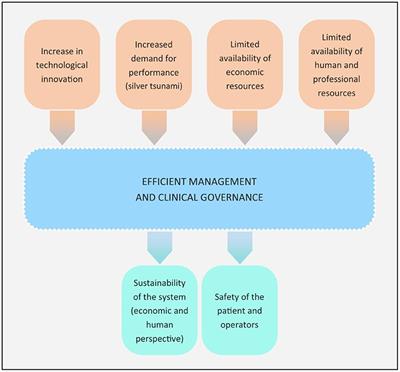
Surgical activity is an important aspect for the management of health and safety processes and from an organizational perspective is one of the most complex activities performed in hospitals. It is often a defining and high value feature for any healthcare facility while being one of the most high-risk procedures for patients with the highest number of avoidable adverse events. To ensure effective management of surgical pathways, they need to be considered from the perspective of clinical governance which ta kes a global approach to planning and management with the goal of improving safety and quality for patients. This paper contains the main features of this objective outlined within the document issued subsequent to the State-Regional Italian Government conference. This regulatory effort includes effective recommendations to make surgical pathways safer and more efficient with particular reference to lean management, patient blood management and patient safety.

View on the web

Effect of acute aerobic exercise before immunotherapy and chemotherapy infusion in patients with metastatic non-small-cell lung cancer: protocol for the ERICA feasibility trial

alkiviadis.1961 shared this article with you from Inoreader
Introduction

Patients with metastatic non-small cell lung cancer (mNSCLC) suffer from numerous symptoms linked to disease and treatment which may further impair the patient's overall condition. In addition to its benefits on quality of life and fatigue, physical exercise may improve treatment response, notably due to its known effects on the immune system. The ERICA study is designed to assess the feasibility of a supervised acute physical exercise therapy realised immediately prior immune-chemotherapy infusion in patients with mNSCLC. Secondary objectives will examine the effects of acute exercise combined with an unsupervised home-walking programme on clinical, physical, psychosocial and biological parameters.

Methods and analysis

ERICA is a prospective, monocentric, randomised controlled, open-label feasibility study conducted at the Centre Léon Bérard Comprehensive Cancer Center (France). Thirty patients newly diagnosed with mNSCLC will be randomised (2:1 ratio) to the 'exercise' or the 'control' group. At baseline and during the last treatment cycle, participants in both groups will receive Physical Activity recommendations, and two nutritional assessments. In the exercise group, participants will receive a 3-month programme consisting of a supervised acute physical exercise session prior to immune-chemotherapy infusion, and an unsupervised home-based walking programme with an activity tracker. The acute exercise consists of 35 min interval training at submaximal intensity scheduled to terminate 15 min prior to infusion. Clinical, physical, biological and psychosocial parameters will be assessed at baseline, 3 and 6 months after inclusion. Biological measures will include immune, inflammatory, metabolic, oxidative stress biomarkers and molecular profiling.

Ethics and dissemination

The study protocol was approved by the French ethics committee (Comité de protection des personnes Ile de France II, N°ID-RCB 20.09.04.65226, 8 December 2020). The study is registered on ClinicalTrials.gov (NCT number:NCT04676009) and is at the pre-results stage. All participants will sign an informed consent form. The findings will be disseminated in peer-reviewed journals and academic conferences.

View on the web

Vaccination coverage among COVID-19 prevention

alkiviadis.1961 shared this article with you from Inoreader
Objective

To investigate the COVID-19 vaccination coverage rate and differences among various COVID-19 prevention primary healthcare (PHC) facilities in China and understand their attitudes towards COVID-19 vaccine. These findings are helpful to provide important suggestions to further improve national COVID-19 vaccination rate.

Design

A nationwide cross-sectional online survey was designed and conducted among COVID-19 prevention and control management teams at PHC facilities in mainland China. In the self-designed questionnaires, each subject was asked to evaluate on a 1–10 scale (10=extremely important/acceptable/influential) the COVID-19 vaccination importance, acceptance and factors related to vaccine hesitancy.

Setting

Subjects from 31 provinces and autonomous regions including minorities across mainland China were invited to complete the questionnaire between 22 February 2021 and 2 March 2021.

Participants

Were selected by multistage stratified sampling, 998 valid questionnaires (valid rate 99.11%) were collected. The respondents were divided into group A (≤5 respondents within each PHC facility, n1=718) and group B (>5 respondents within each PHC facility, n2=280).

Outcome measures

Survey on vaccination rate and attitude towards COVID-19 vaccine included the following: (1) if the subjects think the vaccination is important in containment of COVID-19 pandemic (1–10 scale, 10=extremely important), (2) if they would accept COVID-19 vaccine (1–10 scale, 10=extremely acceptable) and (3) their opinions on 7 factors possibly related to vaccine hesitancy (1–10 scale, 10=extremely influential). All the items were designed based on the previous expert interviews.

Results

Our results showed vaccination rate was greater in group A (85.93%) than in group B (66.43%) (p<0.001). Detailed analyses revealed that in group A, male members were twice as likely to get vaccinated as compared with female members (adjusted OR (aOR): 2.07; 95% CI: 1.26 to 3.43, p=0.004). In group B, those who were at or under the median age had twice the odds of vaccination coverage compared with those who were over the median age (aOR: 2.29; 95% CI: 1.22 to 4.33, p=0.010). In addition, those who were specialised in traditional Chinese medicine were less likely to get vaccinated against COVID-19 compared with those who were specialised in general medicine, with the aOR: 0.10 (95% CI: 0.01 to 0.83, p=0.033). By analysing the factors that influenced the vaccination attitudes among the 998 respondents, we found no significant difference between the vaccinated and unvaccinated participants. However, further detailed analyses found that team members with undergraduate college educa tion were less likely to score higher in COVID-19 vaccination importance than those with technical secondary school education (aOR: 0.35; 95% CI: 0.13 to 0.93, p=0.035); Furthermore, those with non-medical job titles had nearly twice the odds of giving a higher score for the uncertainty of vaccine efficacy compared with those with junior medical titles (aOR: 1.70; 95% CI: 1.02 to 2.85, p=0.016). Team members with a non-medical title were more likely to give a higher score for advice on social sources compared with those with a junior medical title (aOR: 1.70; 95% CI: 1.02 to 2.85, p=0.042).

Conclusion

In PHC facilities, although there was a higher COVID-19 vaccination rate among COVID-19 prevention and control teams, some subgroups with different descriptive characters showed negative attitudes towards COVID-19 vaccination. Because primary care workers in China are highly expected to receive the vaccination, and support and educate the public for COVID-19 vaccination. Thus, it is important and necessary to continue to educate them about their vaccination concerns and change their attitudes towards vaccination. Our findings are highly beneficial for designing public vaccination education strategies.


View on the web

Identifying the psychosocial predictors of ultraviolet exposure to the face in patients with xeroderma pigmentosum: a study of the behavioural factors affecting clinical outcomes in this genetic disease

alkiviadis.1961 shared this article with you from Inoreader

logo-bmj-journals.svg

Background

For patients with xeroderma pigmentosum (XP), the main means of preventing skin and eye cancers is extreme protection against ultraviolet radiation (UVR), particularly for the face. We have recently developed a methodology for objectively measuring photoprotection behaviour ('UVR dose to facial skin') and have found that the degree of photoprotection varies greatly between patients with XP. We have previously identified factors affecting photoprotection behaviour in XP u sing a subjective measure of photoprotection. Here, we have used this objective methodology to identify the factors which determine photoprotection behaviour in XP.

Methods

We studied 29 psychological, social, demographic and clinical variables in 36 patients with XP. We have previously objectively measured UVR protection (by measuring the dose of UVR reaching the skin of the face over a 3-week period) in these patients. Here, we use linear mixed-effects model analysis to identify the factors which lead to the differences in degree of photoprotection observed in these patients.

Results

Psychosocial factors accounted for as much of the interindividual variation in photoprotection behaviour (29%) as demographic and clinical factors (24%). Psychosocial factors significantly associated with worse UVR protection included: automaticity of the behaviours, and a group of beliefs and perceptions about XP and photoprotection known to associate with poor treatment adherence in other diseases.

Conclusions

We have identified factors contributing to poor photoprotection in XP. Identifying these potentially reversible psychosocial features has enabled us to design an intervention to improve photoprotection in patients with XP, aiming to prevent skin and eye cancers in these patients.

View on the web

FXR1-related congenital myopathy: expansion of the clinical and genetic spectrum

alkiviadis.1961 shared this article with you from Inoreader

logo-bmj-journals.svg

Background

Biallelic pathogenic variants in FXR1 have recently been associated with two congenital myopathy phenotypes: a severe form associated with hypotonia, long bone fractures, respiratory insufficiency and infantile death, and a milder form characterised by proximal muscle weakness with survival into adulthood.

Objective

We report eight patients from four unrelated families with biallelic pathogenic variants in exon 15 of FXR1.

Methods

Whole exome sequenci ng was used to detect variants in FXR1.

Results

Common clinical features were noted for all patients, which included proximal myopathy, normal serum creatine kinase levels and diffuse muscle atrophy with relative preservation of the quadriceps femoris muscle on muscle imaging. Additionally, some patients with FXR1-related myopathy had respiratory involvement and required bilevel positive airway pressure support. Muscle biopsy showed multi-minicores and type I fibre predominance with internalised nuclei.

Conclusion

FXR1-related congenital myopathy is an emerging entity that is clinically recognisable. Phenotypic variability associated with variants in FXR1 can result from differences in variant location and type and is also observed between patients homozygous for the same variant, rendering specific genotype–phenotype correlations difficult. Our work broadens the phenotypic spectrum of FXR1-related congenital myopathy.

View on the web

Quantitative effect of sex on disease activity and disability accumulation in multiple sclerosis

alkiviadis.1961 shared this article with you from Inoreader

4.cover-source.jpg

Objective

To quantify sex differences in activity and severity of multiple sclerosis (MS) and how it depends on disease duration and time since clinical onset.

Methods

All Danish citizens with onset of relapsing MS since 1996 who have received disease-modifying therapy have been followed with annual or biannual control visits with mandatory notification of the Danish Multiple Sclerosis Registry. Men and women were compared by the inverse probability of being female. Relapse rates and changes in the Expand ed Disability Status Scale (EDSS) scores were analysed with weighted general linear models, and we used weighted Cox regression for HRs between men and women for different EDSS endpoints.

Results

We included 3028 men and 6619 women. The weighted female:male relapse rate ratio was 1.16 (95% CI: 1.10 to 1.22) but after age 50 years, the difference disappeared. The annualised increase in EDSS was 0.07 in men (95% CI: 0.05 to 0.08) and 0.05 in women (95% CI: 0.04 to 0.06); p=0.017. With women as reference, the HR for reaching EDSS 4 was 1.34 (95% CI: 1.23 to 1.45; p<0.001), and for reaching EDSS 6 it was 1.43 (95% CI: 1.28 to 1.61; p<0.001). The diagnostic delay did not differ significantly between the sexes.

Conclusion

Women have more inflammatory disease activity in terms of relapses than men up to the age of menopause indicating that sex hormones may play a role. Men are more subject to the neurodegenerative component of MS than women, particularly after the age of 45 years.

View on the web

Association of Serum Phosphate with Efficacy of Statin Therapy in Hemodialysis Patients

alkiviadis.1961 shared this article with you from Inoreader

F1.large.jpg

Background and objectives

Statins are less efficacious in reducing cardiovascular disease risk in patients on dialysis than in the general population. Recent experimental data showed that phosphate excess promotes cellular de novo cholesterol synthesis through 3-hydroxy-3-methylglutaryl CoA (HMG-CoA) reductase activation. Whether this mechanism might account for the resistance of patients on dialysis to statins has not yet been explored.

Design, setting, participants, & measurements

In this post hoc analysis, we examined the efficacy of statin treatment according to serum phosphate levels in the patients on dialysis who were participants of the A Study to Evaluate the Use of Rosuvastatin in Subjects on Regular Hemodialysis: An Assessment of Survival and Cardiovascular Events (AURORA) trial using serum phosphate levels at baseline and during the trial course. We first classified the patients by groups of similar phosphate trajectories over time and tested whether phosphate as a longitudinal exposure (summarized by the identified trajectory groups) modulated the occurrence of major adverse cardiovascular events and all-cause death. We replicate the analysis in the Deutsche Diabetes Dialyze Studie (4D) trial.

Results

In the AURORA trial, using multivariable analysis, we found that the treatment effect of statin on major adverse cardiovascular events and all-cause death was significant and protective effects in patients with low values of serum phosphate gradually faded for higher phosphate levels >5 mg/dl. A similar lack of statin treatment efficacy for both outcomes was observed with high baseline phosphate levels (>5 mg/dl). In the 4D trial, we found a comparable but not significant trend toward losing treatment efficacy in the presence of high serum phosphate levels for both outcomes.

Conclusions

Our results demonstrated the limited treatment efficacy of statins in patients on dialysis in the presence of hyperphosphatemia.

View on the web