Αρχειοθήκη ιστολογίου

Δευτέρα 4 Ιουλίου 2022

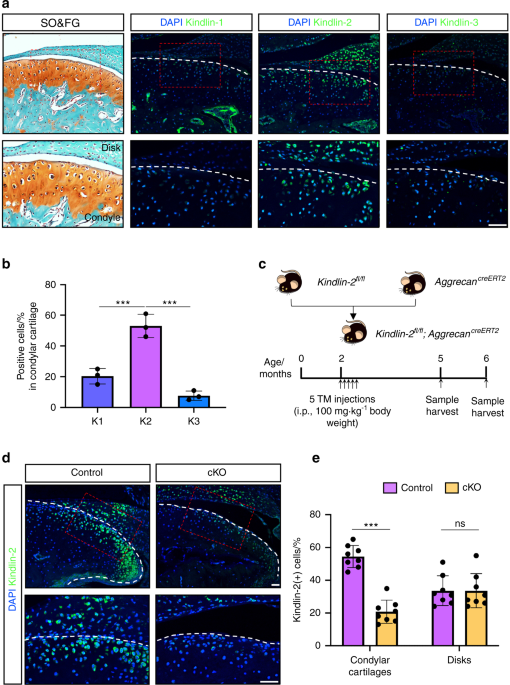
Kindlin-2 loss in condylar chondrocytes causes spontaneous osteoarthritic lesions in the temporomandibular joint in mice

alexandrossfakianakis shared this article with you from Inoreader

41368_2022_185_Fig1_HTML.png

View on Web

Perioperative Antibiotic Stewardship in the Organ Transplant Setting

alexandrossfakianakis shared this article with you from Inoreader

Abstract

Background

Solid organ transplant (SOT) recipients can benefit from traditional antimicrobial stewardship (AMS) activities directed to improve judicious perioperative prescribing and management, but evidence is lacking. The aim of this expert opinion review is to provide an update on the current landscape of application of AMS practices for optimization of perioperative prophylaxis (PP).

Methods

We reviewed the available literature on early post-operative infectious complications in SOT and PP management, on modified perioperative approaches in case of infection or colonization in recipients and donors and on AMS in transplantation PP.

Results

SOT recipients are at high risk for early post-operative infectious complications due to the complexity of surgical procedures, severity of end stage organ disease, net state of immunosuppression in the post-transplant period and to the high risk for multidrug resistant organism. Moreover, SOT may be exposed to preservation fluid infections and expected or unexpected donor-derived infections. We summarize main factors to take into account when prescribing transplant PP.

Conclusion

Creating personalized PP to avoid unwanted consequences of antimicrobials while improving outcomes is an emerging and critical aspect in SOT setting. Further studies are needed to offer best PP tailored to SOT type and to evaluate interventions efficacy and safety.

This article is protected by copyright. All rights reserved

View on Web

Impact of Narrowing Perioperative Antibiotic Prophylaxis for Left Ventricular Assist Device Implantation

alexandrossfakianakis shared this article with you from Inoreader

Abstract

Background

Although infections are a significant potential complication among patients undergoing left ventricular assist device (LVAD) implantation, standardized surgical infection prophylaxis (SIP) regimens are not well defined. At Montefiore Medical Center, a 4-drug SIP regimen containing fluconazole, ciprofloxacin, rifampin, and vancomycin was previously utilized. In January 2020, the antimicrobial stewardship program implemented a 2-drug SIP regimen of vancomycin and cefazolin to limit exposure to broad-spectrum antibiotics. This study evaluated LVAD-associated infection rates prior to and following the SIP revision.

Methods

A retrospective review of patients who underwent LVAD implantation from 1/2018-4/2021 was performed. Infections were classified using the International Society for Heart and Lung Transplantation definitions. Infection rates at 2 weeks, 30 days, and 90-days post-implantation in the 4-drug SIP regimen (1/2018-12/2019) and the 2-drug SIP regimen (1/2020-4/2021) were compared.

Results

A total of 71 patients were included. The number of patients with LVAD-associated infections (including surgical site infections) was not significantly different in either SIP group at 2 weeks (9% vs 4%, p = 0.64), 30 days (9% vs 11%, p = 0.99), or 90 days (19% vs 14%, p = 0.75). There was no statistically significant difference in 30 or 90-day mortality. LVAD-associated gram-negative (7% vs 7%; p>0.99) and fungal (5% vs 0%; p = 0.51) infections were uncommon. The most common organism isolated was Staphylococcus aureus and the most common type of infection was pneumonia in both SIP groups.

Conclusion

No significant difference in LVAD-associated infections or infection-related mortality was observed with de-escalation of perioperative antibiotics. Additional studies with larger sample sizes are needed to endorse the findings of this study.

This article is protected by copyright. All rights reserved

View on Web

Fastigial nuclei surgical damage and focal midbrain disruption implicate PAG survival circuits in cerebellar mutism syndrome

alexandrossfakianakis shared this article with you from Inoreader
Abstract
Background
Pediatric postoperative cerebellar mutism syndrome (CMS) is a rare but well-known complication of medulloblastoma (Mb) resection with devastating effects on expressive language, mobility, cognition, and emotional regulation that diminishes quality of life for many Mb survivors. The specific anatomical and neuronal basis of CMS remains obscure. We address this issue by identifying patterns of surgical damage and secondary axonal degeneration in Mb survivors with CMS.
Methods
Children with Mb deemed high-risk for CMS based on intraventricular location of the tumor had T1 images analyzed for location(s) of surgical damage using a specially developed algorithm. We used three complementary methods of spatial analysis to identify surgical damage linked to CMS diagnosis. Magnetization transfer ratio (MTR) images were analyzed for evidence of demyelination in anatomic regions downstream of the cerebellum, indicating neuronal dysfunction.
Results
Spatial analyses highlighted damage to the fastigial nuclei and their associated cerebellar cortices as the strongest predictors of CMS. CMS-related MTR decrease was greatest in the ventral periaqueductal grey area (PAG) and highly consistent in the left red nucleus.
Conclusion
Our evidence points to disruption of output from the fastigial nuclei as a likely causal trigger for CMS. We propose that core CMS symptoms result from a disruption in the triggering of survival behaviors regulated by the PAG, including the gating of vocalization and volitional movement. The fastigial nuclei provide the densest output to the PAG from the cerebellum, thus sparing these structures may provide a greater likelihood of CMS prevention.
View on Web

Κυριακή 3 Ιουλίου 2022

Habitual Exercise, Air Pollution, and Pneumonia Mortality: A Longitudinal Cohort Study of Approximately 0.4 Million Adults

alexandrossfakianakis shared this article with you from Inoreader
Abstract
This study aims to examine the combined associations of PM2.5 and exercise with deaths from pneumonia. We included 384,130 participants with an age of ≥18 years from Taiwan during 2001-2016. The adults were followed up until 31 May 2019 to obtain the vital status. We performed a time-dependent Cox regression model for statistical analysis. We found that the risk of pneumonia mortality reduced 55% [hazard ratio (HR): 0.45 (95% confidence intervals, CI: 0.36–0.55)] and 36% [0.64 (95%CI: 0.52–0.80)] in participants who took high-/moderate-level of exercise, respectively, as compared to the inactive. By contrast, every 10μg/m3 increase in chronic exposure to PM2.5 was associated with a 30% [1.30 (95%CI: 1.17–1.45)] higher risk of pneumonia mortality. The risk of pneumonia mortality decreased 72% (95%CI: 59%–80%) for the adults who took high-level exercise and simultaneously exposed to low-level PM2.5. A lower risk of pneumonia mortality was associated with both higher exercise and lower PM2.5 air pollution. For adults exposed to different levels of PM2.5, exercise benefits remained. Our findings suggest taking exercise is a safe and effective strategy to alleviate the burden of pneumonia mortality even for people who reside in a moderately-polluted area.
View on Web

How Peripheral Vestibular Damage Affects Velocity Storage: a Causative Explanation

alexandrossfakianakis shared this article with you from Inoreader
AbstractVelocity storage is a centrally-mediated mechanism that processes peripheral vestibular inputs. One prominent aspect of velocity storage is its effect on dynamic responses to yaw rotation. Specifically, when normal human subjects are accelerated to constant angular yaw velocity, horizontal eye movements and perceived angular velocity decay exponentially with a time constant circa 15 –30 s, even though the input from the vestibular periphery decays much faster (~ 6 s). Peripheral vestibular damage causes a time constant reduction, which is useful for clinical diagnoses, but a mechanistic explanation for the relationship between vestibular damage and changes in these behavi oral dynamics is lacking. It has been hypothesized that Bayesian optimization determines ideal velocity s...
View on Web

The impact of vitamin D on thyroid autoimmunity and hypothalamic–pituitary–thyroid axis activity in myo‐inositol‐treated and myo‐inositol‐naïve women with autoimmune thyroiditis: A pilot study

alexandrossfakianakis shared this article with you from Inoreader
The impact of vitamin D on thyroid autoimmunity and hypothalamic–pituitary–thyroid axis activity in myo-inositol-treated and myo-inositol-naïve women with autoimmune thyroiditis: A pilot study

The impact of vitamin D on thyroid antibody titers, thyrotropin levels and thyroid function tests is more pronounced in myo-inositol-treated (group A) than inositol-naïve (group B) women with autoimmune thyroiditis.


Abstract

What is Known and Objective

Vitamin D and myo-inositol reduce thyroid antibody titers in subjects with autoimmune thyroiditis. No previous study has investigated interactions between these agents. The aim of the current study was to determine whether the impact of exogenous vitamin D on thyroid autoimmunity and thyroid function in women with Hashimoto's thyroiditis depends on myo-inositol supplementation.

Methods

The study population consisted of three thyroid antibody- and insulin sensitivity-matched groups of women with autoimmune thyroiditis and high-normal or slightly elevated TSH levels. Forty-one women (21 in group A and 20 in group C) had been treated for at least 6 months with myo-inositol (group A), while 21 women (group B) had not received myo-inositol preparations. Over the entire study period (6 months), groups A and C continued treatment with myo-inositol (2 g daily), while groups A and B received exogenous vitamin D (4000 IU daily). Plasma titers of thyroid peroxidase and thyroglobulin antibodies, as well as plasma concentrations of glucose, insulin, TSH, free thyroid hormones, prolactin, and 25-hydroxyvitamin D (25-OH-D) were assessed at entry and 6 months later. Moreover, baseline and follow-up values of the structure parameters of thyroid homeostasis were calculated

Results and Discussion

In groups A and B, vitamin D improved insulin sensitivity and increased 25-OH-D levels. Although follow-up antibody titers in both these groups were lower than baseline ones, the impact of vitamin D on thyroid peroxidase and thyroglobulin antibodies was stronger in group A than in group B. Only in group A, vitamin D decreased TSH levels and increased SPINA-GT. There were no differences between baseline and follow-up free values of glucose, thyroid hormones, prolactin, Jostel's index, and SPINA-GD. The impact of vitamin D treatment on antibody titers correlated with treatment-induced changes in 25-OH-D levels and the degree of improvement in insulin sensitivity. In group C, glucose homeostasis markers, antibody titers and hormone levels remained at a similar level throughout the study period.

What is New and Conclusion

The obtained results suggest that the impact of vitamin D on thyroid autoimmunity and hypothalamic–pituitary–thyroid axis activity in subjects with autoimmune thyroiditis is more pronounced if they receive myo-inositol.

View on Web

Incremental value of risk factor variability for cardiovascular risk prediction in individuals with type 2 diabetes: results from UK primary care electronic health records

alexandrossfakianakis shared this article with you from Inoreader

m_dyac140f1.jpeg?Expires=1719761580&Sign

Abstract
BackgroundCardiovascular disease (CVD) risk prediction models for individuals with type 2 diabetes are important tools to guide intensification of interventions for CVD prevention. We aimed to assess the added value of incorporating risk factors variability in CVD risk prediction for people with type 2 diabetes.
Methods
We used electronic health records (EHRs) data from 83 910 adults with type 2 diabetes but without pre-existing CVD from the UK Clinical Practice Research Datalink for 2004–2017. Using a landmark-modelling approach, we developed and validated sex-specific Cox models, incorporating conventional predictors and trajectories plus variability of systolic blood pressure (SBP), total and high-density lipoprotein (HDL) cholesterol, and glycated haemoglobin (HbA1c). Such models were compared against simpler models using single last observed values or means.
Results
The standard deviations (SDs) of SBP, HDL cholesterol and HbA1c were associat ed with higher CVD risk (P < 0.05). Models incorporating trajectories and variability of continuous predictors demonstrated improvement in risk discrimination (C-index = 0.659, 95% CI: 0.654–0.663) as compared with using last observed values (C-index = 0.651, 95% CI: 0.646–0.656) or means (C-index = 0.650, 95% CI: 0.645–0.655). Inclusion of SDs of SBP yielded the greatest improvement in discrimination (C-index increase = 0.005, 95% CI: 0.004–0.007) in comparison to incorporating SDs of total cholesterol (C-index increase = 0.002, 95% CI: 0.000–0.003), HbA1c (C-index increase = 0.002, 95% CI: 0.000–0.003) or HDL cholesterol (C-index increase= 0.003, 95% CI: 0.002–0.005).
Conclusion
Incorporating variability of predictors from EHRs provides a modest improvement in CVD risk discrimination for individuals with type 2 diabetes. Given that repeat measures are readily available in E HRs especially for regularly monitored patients with diabetes, this improvement could easily be achieved.
View on Web

Comparison between the radial forearm and superficial circumflex iliac artery perforator free flaps for oral soft tissue reconstruction

alexandrossfakianakis shared this article with you from Inoreader
The radial forearm free flap (RFFF) is widely used for oral reconstruction. The superficial circumflex iliac artery perforator (SCIP) flap is an increasingly utilized alternative. The cases of 165 patients who received either an RFFF or SCIP flap for oral reconstruction at Chris O ′Brien Lifehouse, Sydney were reviewed. The aim was to report on patient, pathology, treatment, and outcome variables and to compare these between the two flap groups. A RFFF was used in 126 patients and a SCIP flap in 39 patients. (Source: International Journal of Oral and Maxillofacial Surgery)
View on Web

Exploring the impact of metabolic imaging in head and neck cancer treatment

alexandrossfakianakis shared this article with you from Inoreader

Abstract

Background

Target volume delineation is performed with anatomical imaging for head and neck cancer. Molecular imaging allows the recognition of specific tumor regions. Its inclusion in the pathway could lead to changes in delineation and resultant treatment plans.

Methods

PRISMA methodology was adhered to when selecting the articles for analysis and only full articles were quality assessed.

Results

Seventeen articles were included. Gross tumor volume (GTV) primary, GTV nodal, and other target volumes were evaluated. Positron emission tomography/computerized tomography (PET/CT) produced smaller primary GTVs, although not with diffusion-weighted imaging-magnetic resonance imaging (DWI-MRI) or PET/MRI. The impact of these image modalities on GTV nodal did not display any consistency. Additionally, there was considerable heterogeneity in metrics comparing delineations. Four studies included appraised the dosimetric impact of the changes in target volume delineation.

Conclusion

Quantifying the impact of molecular imaging is difficult, due to heterogeneity in reporting metrics in molecular imaging modalities and a paucity of detail regarding delineation method and guideline adherence.

View on Web