Αρχειοθήκη ιστολογίου

Τρίτη 25 Οκτωβρίου 2022

Second‐degree burn induced by high‐concentration topical capsaicin with mobility sequelae: a case report

alexandrossfakianakis shared this article with you from Inoreader

Abstract

High-concentration topical capsaicin is used as a second line treatment for neuropathic pain. Transient, mild burning sensation and erythema are expected adverse drug reactions. Here, we report the first case of second degree burn after the application of a high-concentration topical capsaicin patch with secondary mobility sequelae. Nine months after the application, neuropathic pain still remained and the patient described mobility difficulties in daily activities, preventing her from returning to work. This report aims to raise the question of the benefit/risk ratio of high concentration topical capsaicin.

View on Web

Tone in Noise Detection in Children with a History of Temporary Conductive Hearing Loss

alexandrossfakianakis shared this article with you from Inoreader
AbstractChildren with a history of temporary conductive hearing loss (CHL) during early development may show long-term impairments in auditory processes that persist after restoration of normal audiometric hearing thresholds. Tones in noise provide a simplified paradigm for studying hearing in noise. Prior research has shown that adults with sensorineural hearing loss may alter their listening strategy to use single-channel energy cues for tone-in-noise (TIN) detection rather than rove-resistant envelope or spectral profile cues. Our objective was to determine the effect of early CHL on TIN detection in healthy children compared to controls. Children ages 4 –7 years, with and without a history of CHL due to otitis media with effusion (OME) before age 3 years, participated in a two-alte...
View on Web

Δευτέρα 24 Οκτωβρίου 2022

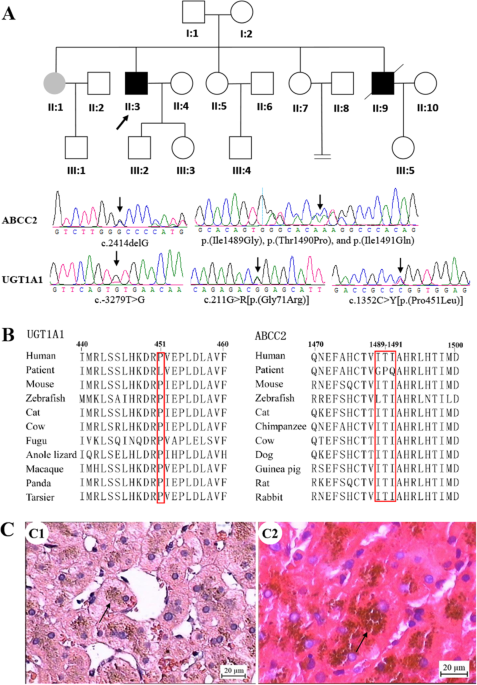
Concurrence of novel mutations causing Gilbert’s and Dubin–Johnson syndrome with poor clinical outcomes in a Han Chinese family

alexandrossfakianakis shared this article with you from Inoreader

10038_2022_1086_Fig1_HTML.png

Journal of Human Genetics, Published online: 24 October 2022; doi:10.1038/s10038-022-01086-1

Concurrence of novel mutations causing Gilbert's and Dubin–Johnson syndrome with poor clinical outcomes in a Han Chinese family
View on Web

Association between circulating 25‐hydroxyvitamin D metabolites and periodontitis: Results from the NHANES 2009‐2012 and Mendelian randomization study

alexandrossfakianakis shared this article with you from Inoreader

Abstract

Aim

This study sought to investigate associations of 25(OH)D metabolites with periodontitis, and to assess causality using Mendelian randomization (MR).

Methods

This study included 7,246 participants of the National Health and Nutrition Examination Survey, 2009–2012. The association of periodontitis with 25(OH)D metabolites was assessed using multivariable logistic regression analysis. 2-sample MR for 25(OH)D, 25(OH)D3, and C3-epi-25(OH)D3 with periodontitis (n = 17,353 cases/28,210 controls) was conducted. The principal analysis was inverse-variance-weighted approach. We controlled for horizontal pleiotropy using five additional methods.

Results

Based on the observational study, each 1-point increase in standard deviation of 25(OH)D lowered the risk of periodontitis by 15% (OR = 0.85, 95% CI: 0.78–0.93, P = 0.006) after multivariable adjustment. A similar relationship was observed between 25(OH)D3 and periodontitis (OR = 0.88, 95% CI: 0.80–0.97, P = 0.031). Furthermore, a potential nonlinear association was found between periodontitis with both 25(OH)D and 25(OH)D3. However, C3-epi-25(OH)D3 was not found to be associated with periodontitis risk. IVW-MR showed that periodontitis risk was not significantly associated with genetically increased levels of 25(OH)D (OR = 1.02, 95% CI: 0.90–1.16, P = 0.732), 25(OH)D3 (OR = 1.04, 95% CI: 0.93–1.17, P = 0.472), and C3-epi-25(OH)D3 (OR = 1.11, 95% CI: 0.87–1.41, P = 0.400). The pleiotropy-robust MR approaches yielded similar results after we had eliminated the variants with horizontal pleiotropy risk.

Conclusion

Cross-sectional observational analysis identified significant relationships between periodontitis with 25(OH)D metabolites, while findings based on MR study do not support a causal role.

This article is protected by copyright. All rights reserved.

View on Web

Κυριακή 23 Οκτωβρίου 2022

Expression of Glial Cell‐Derived Neurotrophic Factor Receptors Within Nucleus Ambiguus During Rat Development

alexandrossfakianakis shared this article with you from Inoreader
Expression of Glial Cell-Derived Neurotrophic Factor Receptors Within Nucleus Ambiguus During Rat Development

In this paper, we show differences of Glial Cell-Derived Neurotrophic Factor (GDNF)receptors in the nucleus ambiguus during development from E14 to E20 and in the rat adulthood. We observed that there is timing of production of the different members of GDNF receptors in the motoneurons innervating the larynx and we try to establish differences between nucleus ambiguus and the other motor nuclei of the medulla oblongata such as facial and hypoglossus nuclei. These findings support the idea that GDNF may play a role during motor innervation of the rat larynx.


Objective

The nucleus ambiguus (NAmb) is a column of neurons in the medulla oblongata, involved in bulbar functions. Expression of Glial Cell-Derived Neurotrophic Factor (GDNF) and its receptors (GDNFR) is observed within the cell bodies during reinnervation following recurrent laryngeal nerve (RLN) injury. Little is known regarding GDNFR expression in the formation of the NAmb and the laryngeal innervation during embryogenesis. Understanding the timing and pattern of GDNFR expression in embryogenesis versus after RLN injury may provide insights into therapeutic targets for regeneration after RLN injury.

Study Design

Laboratory experiment.

Methods

Rat brainstems at E14.5/E16.5/E18.5/E20.5/adult were stained for GDNFR: GFRα-1/GFRα-2/GFRα-3/Ret. Islet1 and choline acetyltransferase were used as cell body markers. Sections were observed using fluorescent microscopy and quantified through manual cell counting.

Results

Expression of GFRα-1, GFRα-3, and Ret was identified within the NAmb, hypoglossal, and facial nuclei of the adult medulla. During development, GFRα-1 immunoreactivity was seen at E20.5. GFRα-2 expression was not observed at any timepoint. GFRα-3 expression began at E16.5. Ret expression within nerve fibers in the NAmb were observed beginning at E14.5, but never in the cell bodies.

Conclusion

Embryonic GDNFR expression in the NAmb differs from that of the adult after RLN injury. The developing brainstem experienced upregulation at discrete timepoints with signaling sustained through adulthood. In contrast, adult RLN-transected rats experienced patterns of up and down regulation. GFRα-1 may contribute to muscle targeting and neuromuscular junction maturation, GFRα-3 may contribute to both, as well as axon guidance. It is likely that GDNF is functioning via a Ret-independent pathway.

Level of Evidence

NA Laryngoscope, 2022

View on Web

A minimally invasive method for titanium mesh fixation with resorbable sutures in guided bone regeneration: A retrospective study

alexandrossfakianakis shared this article with you from Inoreader

Abstract

Objectives

Titanium mesh has become a mainstream choice for guided bone regeneration (GBR) owing to its excellent space maintenance. However, the traditional fixation method using titanium screws impacts surgery efficiency and increases patient trauma. We report a novel method of fixing a titanium mesh using resorbable sutures. We assessed the feasibility of resorbable sutures for fixing a titanium mesh and whether it can serve as a stable, universal, and minimally invasive fixation method for a broader application of titanium meshes.

Methods

Patients undergoing GBR with a digital titanium mesh fixed using titanium screws (TS group) and resorbable sutures (RS group) were observed at different time points. The stability of the fixation methods was evaluated on parameters such as titanium mesh spatial displacement, bone augmentation, and bone resorption.

Results

A total of 36 patients were included in this study. The exposure rate of the titanium mesh in the TS group was 16.67%, while no exposure was noted in the RS group. There was no significant difference in the parameters of titanium mesh spatial displacement, bone augmentation, and bone resorption between the two groups (p > 0.05).

Conclusion

The use of resorbable sutures for fixing a titanium mesh can achieve similar results to traditional fixation using titanium screws. Although this new fixation method can improve the efficiency of the surgery and reduce the risk of complications, the long-term clinical effects require further follow-up investigation.

View on Web

Epigenetic upregulation of Schlafen11 renders WNT- and SHH- activated medulloblastomas sensitive to cisplatin

alexandrossfakianakis shared this article with you from Inoreader
Abstract
Background
Intensive chemotherapeutic regimens with craniospinal irradiation have greatly improved survival in medulloblastoma patients. However, survival markedly differs among molecular subgroups and their biomarkers are unknown. Through unbiased screening, we found Schlafen family member 11 (SLFN11), which is known to improve response to DNA damaging agents in various cancers, to be one of the top prognostic markers in medulloblastomas. Hence, we explored the expression and functions of SLFN11 in medulloblastoma.
Methods
SLFN11 expression for each subgroup was assessed by immunohistochemistry in 98 medulloblastoma patient samples and by analyzing transcriptomic databases. We genetically or epigenetically modulated SLFN11 expression in medulloblastoma cell lines and determined cytotoxic response to the DNA damaging agents cisplatin and topoisomerase I inhibitor SN-38 in vitro and in vivo.
Results
High SLFN11 expressing cases exhibited significantly longer survival than low expressing cases. SLFN11 was highly expressed in the WNT-activated subgroup and in a proportion of the SHH-activated subgroup. While WNT activation was not a direct cause of the high expression of SLFN11, a specific hypomethylation locus on the SLFN11 promoter was significantly correlated with high SLFN11 expression. Overexpression or deletion of SLFN11 made medulloblastoma cells sensitive and resistant to cisplatin and SN-38, respectively. Pharmacological upregulation of SLFN11 by the brain-penetrant histone deacetylase-inhibitor RG2833 markedly increased sensitivity to cisplatin and SN-38 in SLFN11-negative medulloblastoma cells. Intracranial xenograft studies also showed marked sensitivity to cisplatin by SLFN11-overexpression in medulloblastoma cells.
Conclusio ns
High SLFN11 expression is one factor which renders favorable outcomes in WNT-activated and a subset of SHH-activated medulloblastoma possibly through enhancing response to cisplatin.
View on Web

Σάββατο 22 Οκτωβρίου 2022

The added value of skeletal surveys in the initial evaluation of children diagnosed with Langerhans cell histiocytosis in the era of staging 18F‐FDG PET/CT: A retrospective study

alexandrossfakianakis shared this article with you from Inoreader

Abstract

Objective

Currently, there is no consensus protocol on the initial staging evaluation for Langerhans cell histiocytosis (LCH). Our institutional protocol consists of a skeletal survey and a whole-body positron emission tomography with 2-deoxy-2-[fluorine-18] fluoro-D-glucose integrated with computed tomography (FDG PET/CT) study. The utility of the PET/CT lies in its sensitivity in detecting osseous and extra-osseous lesions, and in determining the baseline metabolic activity of LCH lesions to assess treatment response. However, the added utility of the skeletal survey in staging LCH is unclear. Therefore, this study retrospectively assessed the added diagnostic value of skeletal surveys in patients with baseline PET/CTs for initial staging of LCH.

Methods

We retrospectively searched the medical records of all patients less than or equal to 18 years old at a large children's hospital (May 2013 to September 2021). The inclusion criteria were (a) biopsy-proven diagnosis of LCH and (b) initial staging PET/CT and skeletal survey performed less than or equal to 1 month apart. A blinded pediatric radiologist reviewed the skeletal surveys and another reviewed the PET/CTs in identifying LCH osseous lesions.

Results

Our study cohort consisted of 49 children with 86 LCH osseous lesions. In non-extremity locations, PET/CT identified 70/70 (100%) osseous lesions, while skeletal surveys detected 43/70 (61.4%) osseous lesions. In the extremities, PET/CT identified 13/16 (81.3%) osseous lesions, while skeletal surveys detected 15/16 (93.8%) osseous lesions.

Conclusion

Skeletal surveys increased the detection rate of osseous lesions in the extremities, but added no diagnostic value to the detection of osseous lesions in non-extremity locations. Therefore, we propose to abbreviate the skeletal survey to include only extremity radiographs.

View on Web

Distinguishing SARS-CoV-2 persistence and reinfection: A retrospective cohort study

alexandrossfakianakis shared this article with you from Inoreader
Abstract
Background
SARS-CoV-2 reinfection is poorly understood, partly because few studies have systematically applied genomic analysis to distinguish reinfection from persistent RNA detection related to initial infection. We aimed to evaluate the characteristics of SARS-CoV-2 reinfection and persistent RNA detection using independent genomic, clinical, and laboratory assessments.
Methods
All individuals at a large academic medical center who underwent a SARS-CoV-2 nucleic acid amplification test (NAAT) ≥ 45 days after an initial positive test, with both tests between March 14th and December 30th, 2020, were analyzed for potential reinfection. Inclusion criteria required having ≥2 positive NAATs collected ≥45 days apart with a cycle threshold (Ct) value <35 at repeat testing. For each included subject, likelihood of reinfection was assessed by viral genomic analysis of all available specimens with a C t value <35, structured Ct trajectory criteria, and case-by-case review by infectious diseases physicians.
Results
Among 1,569 individuals with repeat SARS-CoV-2 testing ≥45 days after an initial positive NAAT, 65 (4%) met cohort inclusion criteria. Viral genomic analysis characterized mutations present, and was successful for 14/65 (22%) subjects. Six subjects had genomically-supported reinfection and eight subjects had genomically-supported persistent RNA detection. Compared to viral genomic analysis, clinical and laboratory assessments correctly distinguished reinfection from persistent RNA detection in 12/14 (86%) subjects but missed 2/6 (33%) genomically-supported reinfections.
Conclusion
Despite good overall concordance with viral genomic analysis, clinical and Ct value-based assessments failed to identify 33% of genomically-supported reinfections. Scaling-up genomic analysis for clinical use would improve detection of SARS-CoV-2 reinfections.
View on Web

Histopathologically defined intestinal metaplasia in lesser curvature of corpus prior to Helicobacter pylori eradication is a risk factor for gastric cancer development

alexandrossfakianakis shared this article with you from Inoreader

Abstract

Background and Aim

Helicobacter pylori eradication has been shown to reduce the risk of gastric cancer (GC), with the number of eradication therapy cases on the rise. However, GC can still occur after successful treatment, and the histological differences prior to eradication in patients with and without GC are unclear. This study investigated the pre-treatment histological risk factors for GC development following eradication therapy.

Methods

We retrospectively enrolled consecutive adult patients diagnosed as having H. pylori infection between April 2004 and December 2018. Atrophy and intestinal metaplasia (IM) were histologically assessed according to the updated Sydney System. The operative link on gastritis assessment and the operative link on gastric intestinal metaplasia (OLGIM) were evaluated as well.

Results

Of the 247 patients analyzed in this study, 11 (4.5%) experienced GC after eradication therapy. Histological IM scores in the GC group were significantly higher at all gastric biopsy sites (p < .05), and the proportion of OLGIM III/IV stage was significantly greater in GC patients (81.8% vs. 31.8%, p < .01). For GC prediction, the area under the receiver operating characteristic curve for IM score at the lesser curvature of the corpus was the highest among all biopsy sites and not inferior to OLGIM results.

Conclusions

Patients with histological IM prior to H. pylori eradication, especially at the lesser curvature of the corpus, may be at elevated risk for GC development after eradication therapy and require close surveillance.

View on Web