Αρχειοθήκη ιστολογίου

Τρίτη 12 Ιουλίου 2022

Circular Stapled Technique Versus Modified Collard Technique for Cervical Esophagogastric Anastomosis After Esophagectomy: A Randomized Controlled Trial

alexandrossfakianakis shared this article with you from Inoreader
imageObjective: This study was performed to investigate the efficacy of the modified Collard (MC) technique for reducing anastomotic stricture after esophagectomy compared with the circular stapled (CS) technique. Summary Background Data: The currently available techniques of anastomosis after esophagectomy are associated with a significant risk of anasto-motic complications. However, the optimal anastomotic technique after esophagectomy has not yet been established. Methods: We randomly allocated patients to either the CS group or the MC group. The primary endpoint was the incidence of anastomotic stricture. The secondary endpoints included the incidence of postoperative complications (including anastomotic leakage) and quality of life (QoL). All anastomoses were performed after indocyanine green evaluation for objective homogeni-zation of blood flow to the gastric conduit between the 2 techniques. Results: Among 100 randomized patients (CS group, n = 50; MC group, n = 50), anastomotic strictures were observed in 18 (42%) patients in the CS group and in no patients in the MC group. There were no significant between-group differences in anastomotic leakage (CS group, 7% vs MC group, 8%; P = 0.94). Quality of life domains of dysphagia and choking when swallowing at 3 months after surgery were significantly better in the MC group than in the CS group. Conclusions: The MC technique reduces the incidence of anastomotic stricture and improves postoperative quality of life. Furthermore, the incidence of anastomotic leakage is comparable between the 2 techniques based on accurate comparison under objective homogenization of the gastric conduit condition.
View on Web

The Problem of Appetite Loss After Major Abdominal Surgery: A Systematic Review

alexandrossfakianakis shared this article with you from Inoreader
imageObjective: To systematically review the problem of appetite loss after major abdominal surgery. Summary of Background Data: Appetite loss is a common problem after major abdominal surgery. Understanding of etiology and treatment options is limited. Methods: We searched Medline, Cochrane Central Register of Controlled Trials, and Web of Science for studies describing postoperative appetite loss. Data were extracted to clarify definition, etiology, measurement, surgical influence, pharmacological, and nonpharmacological treatment. PROSPERO registration ID: CRD42021224489. Results: Out of 6144 articles, we included 165 studies, 121 of which were also analyzed quantitatively. A total of 19.8% were randomized, controlled trials (n = 24) and 80.2% were nonrandomized studies (n = 97). The studies included 20,506 patients undergoing the following surgeries: esophageal (n = 33 studies), gastric (n = 48), small bowel (n = 6), colon (n = 27), rectal (n = 20), hepatobiliary (n = 6), and pancreatic (n = 13). Appetite was mostly measured with the Quality of Life Questionnaire of the European Organization for Research and Treatment of Cancer (EORTC QLQ C30, n = 54). In a meta-analysis of 4 randomized controlled trials gum chewing reduced time to first hunger by 21.2 hours among patients who had bowel surgery. Other reported treatment options with positive effects on appetite but lower levels of evidence include, among others, intravenous ghrelin administration, the oral Japanese herbal medicine Rikkunshito, oral mosapride citrate, multidisciplin-ary-counseling, and watchin g cooking shows. No studies investigated the effect of well-known appetite stimulants such as cannabinoids, steroids, or megestrol acetate on surgical patients. Conclusions: Appetite loss after major abdominal surgery is common and associated with increased morbidity and reduced quality of life. Recent studies demonstrate the influence of reduced gastric volume and ghrelin secretion, and increased satiety hormone secretion. There are various treatment options available including level IA evidence for postoperative gum chewing. In the future, surgical trials should include the assessment of appetite loss as a relevant outcome measure.
View on Web

Δευτέρα 11 Ιουλίου 2022

Extramedullary focal fat - fluid level, a specific sign of osteomyelitis

Balaji Anvekar's Neuroradiology Cases

________________________________

Extramedullary focal fat - fluid level, a specific sign of osteomyelitis

Posted: 11 Jul 2022 09:37 PM PDT

 A 14 yo male with pain in calcaneum since 1months.


MRI foot for calcaneum with CT correlation shows:

Heterogeneous signal abnormality diffusely involving calcaneum with multiple low signal intensity foci diffusely scattered in calcaneum on T1-weighted images which are hyperintense on STIR. Rest of the intervening calcaneum medulla shows faint high signal on STIR.

No obvious density abnormality on CT. No obvious sclerotic or lytic lesion. No obvious cortical destruction or sclerosis.

There is a focal lentiform shaped parosteal collection measuring approximately 26 mm in height and 6 mm in thickness medially at 2 o'clock position and 4 mm in thickness laterally on plantar aspect at 7 o'clock position on axial section.

There is fat – fluid level within this collection, focal fat in the supernatant portion of this collection which is hyperintense on T1-weighted images with complete signal suppression on STIR, this portion follows classical fat density on CT.

There is an associated diffuse oedema involving muscles of plantar aspect of foot especially quadratus plantae muscle, medial as well as lateral teno synovitis.

This finding suggestive of extramedullary focal fat - fluid level which is a pathognomonic sign of acute to subacute osteomyelitis.

Findings were discussed with the referring physician before finalizing the report, who added that there is elevation of inflammatory markers in lab reports and the suspicion of osteomyelitis clinically as well, with a feedback of significant improvement clinically after IV antibiotics.

Take home note is during MSK MRI interpretation, a bone marrow signal abnormality with an associated focal periosteal extra medullary fat – fluid level, osteomyelitis should be in the list of your differential diagnosis.

References:

1. Extra-osseous fat fluid level: a specific sign for osteomyelitis. Kumar J, Bandhu S, Kumar A, Alam S. Skeletal Radiol. 2007 Jun;36 Suppl 1:S101-4. doi: 10.1007/s00256-006-0194-1. Epub 2006 Sep 19.

2. Intramedullary and extramedullary fat globules on magnetic resonance imaging as a diagnostic sign for osteomyelitis. Davies AM, Hughes DE, Grimer RJ. Eur Radiol. 2005 Oct;15(10):2194-9. doi: 10.1007/s00330-005-2771-4. Epub 2005 Apr 29.

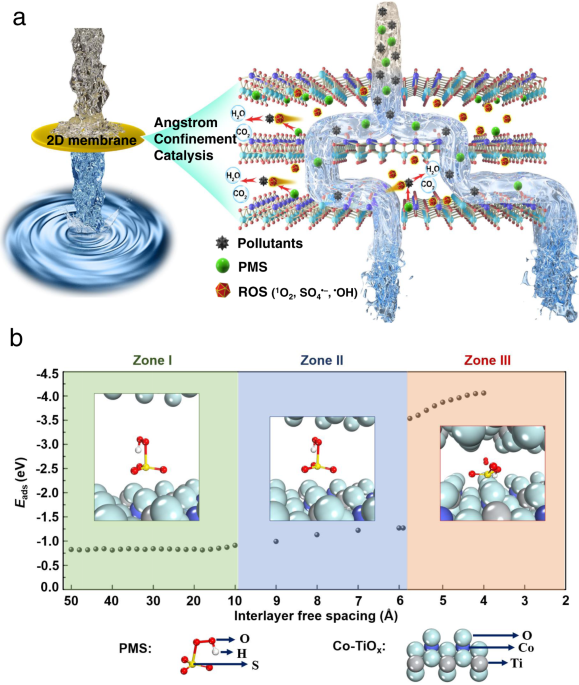
Angstrom-confined catalytic water purification within Co-TiOx laminar membrane nanochannels

alexandrossfakianakis shared this article with you from Inoreader

41467_2022_31807_Fig1_HTML.png

View on Web

Intrathecal Fluorescein for CSF Leak Detection

alexandrossfakianakis shared this article with you from Inoreader
2021-38-Image-S450.jpg

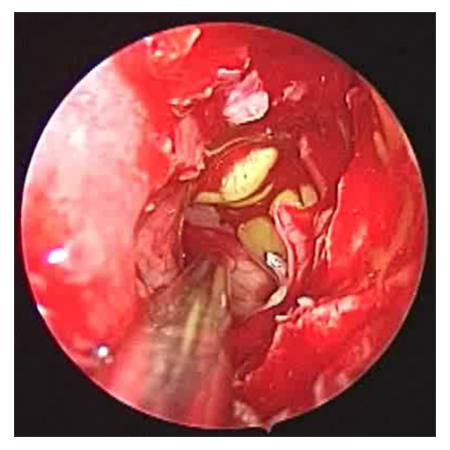
J. Paul Radabaugh (former rhinology fellow at McGovern Medical School) presented the results of a retrospective study of intrathecal fluorescein (IF) use for detection of cerebrospinal fluid leaks (CSF) at the American Rhinology Society annual meeting in Los Angeles. The...
View on Web

Κυριακή 10 Ιουλίου 2022

MEK Inhibitors for Neurofibromatosis Type 1 Manifestations: Clinical Evidence and Consensus

alexandrossfakianakis shared this article with you from Inoreader
Abstract
The wide variety of clinical manifestations of the genetic syndrome neurofibromatosis type 1 (NF1) are driven by overactivation of the RAS pathway. Mitogen-activated protein kinase kinase inhibitors (MEKi) block downstream targets of RAS. The recent regulatory approvals of the MEKi selumetinib for inoperable symptomatic plexiform neurofibromas in children with NF1 has made it the first medical therapy approved for this indication in the United States, the European Union and elsewhere. Several recently published and ongoing clinical trials have demonstrated that MEKi may have potential benefit for a variety of other NF1 manifestations, and there is broad interest in the field regarding the appropriate clinical use of these agents. In this review, we present the current evidence regarding the use of existing MEKi for a variety of NF1-related manifestations, including tumor (neurofibromas, malignant peripheral nerve sheath tumors, low grade glioma, and juvenile myelomonocytic leukemia) and non-tumor (bone, pain, and neurocognitive) manifestations. We discuss the potential utility of MEKi in related genetic conditions characterized by overactivation of the RAS pathway (RASopathies). In addition, we review practical treatment considerations for the use of MEKi as well as provide consensus recommendations regarding their clinical use from a panel of experts.
View on Web

Sound Induced Vibrations Deform the Organ of Corti Complex in the Low-Frequency Apical Region of the Gerbil Cochlea for Normal Hearing

alexandrossfakianakis shared this article with you from Inoreader
AbstractHuman speech primarily contains low frequencies. It is well established that such frequencies maximally excite the cochlea near its apex. But, the micromechanics that precede and are involved in this transduction are not well understood. We measured vibrations from the low-frequency, second turn in intact gerbil cochleae using optical coherence tomography (OCT). The data were used to create spatial maps that detail the sound-evoked motions across the sensory organ of Corti complex (OCC). These maps were remarkably similar across animals and showed little variation with frequency or level. We identify four, anatomically distinct, response regions within the OCC: the basilar membrane (BM), the outer hair cells (OHC), the lateral compartment (lc), and the tectorial membrane (TM). Resu...
View on Web

Present and future avenues of cell‐based therapy for brain injury: The enteric nervous system as a potential cell source

alexandrossfakianakis shared this article with you from Inoreader

Abstract

Cell therapy is a promising strategy in the field of regenerative medicine; however, several concerns limit the effective clinical use, namely a valid cell source. The gastrointestinal tract, which contains a highly organized network of nerves called the enteric nervous system (ENS), is a valuable reservoir of nerve cells. Together with neurons and neuronal precursor cells, it contains glial cells with a well described neurotrophic potential and a newly identified neurogenic one. Recently, enteric glia is looked at as a candidate for cell therapy in intestinal neuropathies. Here, we present the therapeutic potential of the ENS as cell source for brain repair, too. The example of stroke is introduced as a brain injury where cell therapy appears promising. This disease is the first cause of handicap in adults. The therapies developed in recent years allow a partial response to the consequences of the disease. The only prospect of recovery in the chronic phase is currently based on r ehabilitation. The urgency to offer other treatments is therefore tangible. In the first part of the review, some elements of stroke pathophysiology are presented. An update on the available therapeutic strategies is provided, focusing on cell- and biomaterial-based approaches. Following, the ENS is presented with its anatomical and functional characteristics, focusing on glial cells. The properties of these cells are depicted, with particular attention to their neurotrophic and, recently identified, neurogenic properties. Finally, preliminary data on a possible therapeutic approach combining ENS-derived cells and a biomaterial are presented.

View on Web

Real‐life impact of tenofovir disoproxil fumarate and entecavir therapy on lipid profile, glucose and uric acid in chronic hepatitis B patients

alexandrossfakianakis shared this article with you from Inoreader

Abstract

Background & Aims

The impact of long-term nucleos(t)ide analogs treatment on host metabolism is a concern. Hence, we conducted this study to compare the effect of entecavir (ETV) and tenofovir disoproxil fumarate (TDF) on metabolic parameters among CHB patients.

Methods

In this real-life retrospective study, 2,030 CHB outpatients treated with ETV or TDF at Nanfang Hospital, China, were included. For treatment-naïve patients, pretreatment and semiannual metabolic parameters were collected. For treatment-experienced patients, metabolic parameters were collected at the first visit. Propensity score matching (PSM) was used to balance the effects of potential confounding factors.

Results

Among 122 treatment-naïve patients and 1908 treatment-experienced patients, ETV-treated patients were older with a higher percentage of metabolic syndrome. After PSM, the characteristics were comparable between the two groups. For treatment-naïve patients, fou r lipid parameters, including total cholesterol (TC), low-density lipoprotein (LDL), high-density lipoprotein and triglyceride levels showed a decreasing trend during the 42-month TDF treatment, while they remained relatively stable or increased during ETV treatment. At month 30, the levels of TC and LDL among TDF-treated patients were significantly lower than those among ETV-treated patients (TC: 4.7 vs. 3.9 mmol/L, p=0.004; LDL: 3.0 vs. 2.4 mmol/L, p=0.009). For treatment-experienced patients, we also observed lower levels of lipid parameters in patients with different durations of TDF treatment. The levels of glucose and uric acid were similar among ETV- and TDF-treated patients.

Conclusion

TDF has a lipid-lowering effect in CHB patients, which provides a basis for the selection of antiviral drugs for aging CHB patients.

This article is protected by copyright. All rights reserved.

View on Web

Longitudinal follow‐up of HPV16 sequence after cervical infection: low intra‐host variation and no correlation with clinical evolution

alexandrossfakianakis shared this article with you from Inoreader

ABSTRACT

Human papillomavirus (HPV) 16 exhibits different variants that may differ in their carcinogenic risk. In order to identify some high-risk variants, we sequenced and compared HPV16 whole genomes obtained from a longitudinal cohort of 34 HPV16-infected women who had either spontaneously cleared their infection (clearance group or "C"), or developed cervical high-grade lesions following a viral persistence (group persistence or "P"). Phylogenetic analysis of paired samples obtained at the beginning (C0 or P0) and at the end (C2 or P2) of the follow-up (median intervals between C0-C2 and between P0-P2 were 16 and 36.5 months, respectively) revealed a low genetic variability within the host compared to the genetic inter-host diversity. By comparing our HPV16 sequences to a reference sequence, we observed 301 different substitutions, more often transitions (60.9%) than transversions (39.1%), that occurred throughout the viral genome, but with a low frequen cy in E6 and E7 oncogenes (10 and 9 substitutions), suggesting a high conservation of these genes. Deletions and insertions were mostly observed in intergenic regions of the virus. The only significant substitution found between the subgroups C2 and P2 was observed in the L2 gene (L330F), with an unclear biological relevance. Our results suggest a low longitudinal intra-host evolution of HPV16 sequences and no correlation between genetic variations and clinical evolution.

This article is protected by copyright. All rights reserved.

View on Web