Αρχειοθήκη ιστολογίου

Δευτέρα 10 Οκτωβρίου 2022

Nasal and Plasma SARS-CoV-2 RNA Levels are Associated with Timing of Symptom Resolution in the ACTIV-2 Trial of Non-hospitalized Adults with COVID-19

alexandrossfakianakis shared this article with you from Inoreader

cid_ogimage.png

Abstract
Acute COVID-19 symptoms limit daily activities, but little is known about its association with SARS-CoV-2 viral burden. In this exploratory analysis of placebo recipients in the ACTIV-2/A5401 platform trial, we showed that high anterior nasal (AN) RNA levels and detectable plasma RNA were associated with delayed symptom improvement.
View on Web

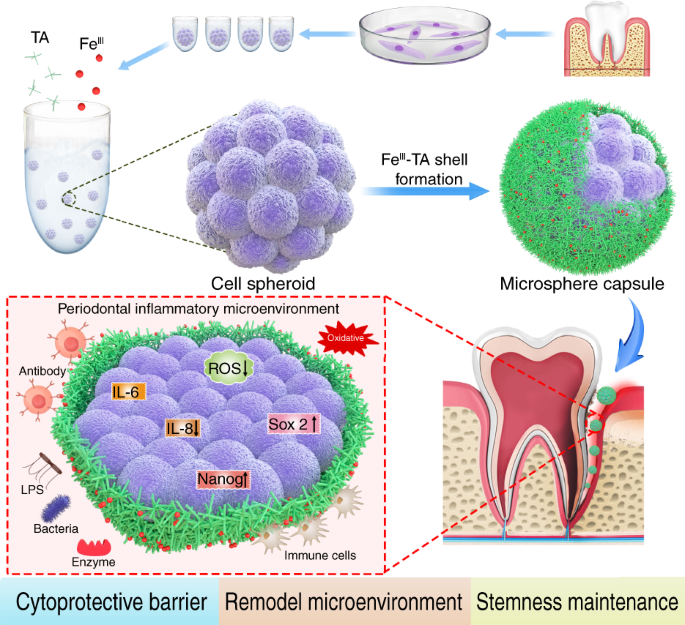
Stem cell microencapsulation maintains stemness in inflammatory microenvironment

alexandrossfakianakis shared this article with you from Inoreader

41368_2022_198_Figa_HTML.png

International Journal of Oral Science, Published online: 10 October 2022; doi:10.1038/s41368-022-00198-w

Stem cell microencapsulation maintains stemness in inflammatory microenvironment
View on Web

Global survival trends for brain tumours, by histology: analysis

alexandrossfakianakis shared this article with you from Inoreader
Abstract
Introduction
Tumours of the central nervous system are among the leading causes of cancer-related death in children. Population-based cancer survival reflects the overall effectiveness of a health care system in managing cancer. Inequity in access to care world-wide may result in survival disparities.
Methods
We considered children (0-14 years) diagnosed with a brain tumour during 2000-2014, regardless of tumour behaviour. Data underwent a rigorous, three-phase quality control as part of CONCORD-3. We implemented a revised version of the International Classification of Childhood Cancer (3 rd edition) to control for under-registration of non-malignant astrocytic tumours. We estimated net survival using the unbiased non-parametric Pohar Perme estimator.
Results
The study included 67,776 children. We estimated survival for 12 histology groups, each based on relevant ICD-O-3 codes. Age-standardised five-year net survival for low-grade astrocytoma ranged between 84% and 100% world-wide during 2000-2014. In most countries, five-year survival was 90% or more during 2000-2004, 2005-2009 and 2010-2014. Global variation in survival for medulloblastoma was much wider, with age-standardised five-year net survival between 47% and 86% for children diagnosed during 2010-2014.
Conclusions
To the best of our knowledge, this study provides the largest account to date of global trends in population-based survival for brain tumours in children, by histology. We devised an enhanced version of ICCC-3 to account for differences in cancer registration practices world-wide. Our findings may have public health implications, because low-grade glioma is one of the six index childhood cancers included by WHO in the Global Initiative for Childhood Cancer.
View on Web

Κυριακή 9 Οκτωβρίου 2022

Fourteen years old as the best age cutoff to differentiate prepubertal from pubertal papillary thyroid carcinoma

alexandrossfakianakis shared this article with you from Inoreader

Abstract

Background

It is unclear whether differences in clinical presentation and/or prognosis exist between prepubertal papillary thyroid cancer (PTC) and pubertal PTC. At present, there is a lack of definition for the appropriate cutoff age to define prepubertal PTC.

Methods

This study retrospectively reviewed 227 pediatric PTC patients (aged ≤18 years) who underwent initial surgery from March 2000 to December 2018. The median duration of follow-up was 85 months (range, 8–258).

Results

The age range was basically linearly related to multiple risk factors, such as T3–T4 disease, distant metastasis. Age (p = 0.032) was an independent risk factor for recurrence and persistent disease. Patients aged <14 years had obviously higher rates of extensive disease. The 10-year disease-free survival (DFS) rate of patients aged <14 years was 59.5% and that of patients aged ≥14 years was 82.6% (p = 0.004).

Conclusions

Fourteen years of age may be an appropriate cutoff to differentiate prepubertal PTC from pubertal PTC.

View on Web

Association of Genre of Singing and Phonotraumatic Vocal Fold Lesions in Singers

alexandrossfakianakis shared this article with you from Inoreader
Association of Genre of Singing and Phonotraumatic Vocal Fold Lesions in Singers

This study revealed previously unrecognized associations between singing genre and specific types of vocal fold injury. These findings help to inform mechanistic inferences surrounding the pathophysiology of specific phonotrauma. A combination of factors most likely account for these findings, including vocal technique, acoustic environment and performance schedules.


Objectives/Hypothesis

To determine if (1) the likelihood of presenting with phonotraumatic lesions differs by singing genre in treatment-seeking singers and (2) if the distribution of phonotraumatic lesion types differs by singing genre.

Study Type

Retrospective.

Methods

Records of singers who presented with a voice complaint over the course of 2.5 years (June 2017–December 2019) were reviewed to determine the proportion of those with phonotraumatic lesions as a function of genre (Study 1). Separately, the lesion types and genres of singers diagnosed with phonotraumatic lesions over a 9-year period (July 2011–March 2020) were determined (Study 2).

Results

In Study 1, 191 of 712 (26.8%) dysphonic singers were diagnosed with phonotraumatic lesions. Country/folk, gospel/jazz, and musical theater singers were more likely to present with phonotraumatic lesions. In Study 2, in 443 singers with phonotraumatic lesions, polyps and pseudocysts, but not nodules, were found to be distributed unequally across genres (χ 2 p = 0.006, p < 0.0001, p = 0.064, respectively). Praise/worship singers had significantly higher proportions of polyps compared to choral singers (OR 4.8 [95% CI 1.9–12.5]) or compared to musical theater singers (OR 7.2 [95% CI 2.5–20.8]). Opera singers had significantly higher proportions of pseudocysts than choral singers (OR 3.1 [95% CI 1.5–6.1]) or musical theater singers (OR 3.7 [95% CI 1.8–7.6]).

Conclusions

The higher incidence of polyps in praise/worship singers likely reflects the more emphatic nature of singing and the tendency for acute injury. The higher incidence of pseudocysts in opera singers may reflect a more chronic nature of injury.

Level of Evidence

4 Laryngoscope, 2022

View on Web

Outcomes of Non‐Mucosa Sparing Endoscopic Sinus Surgery (Partial Reboot) in Refractory Chronic Rhinosinusitis with Nasal Polyposis: An Academic Hospital Experience

alexandrossfakianakis shared this article with you from Inoreader
Outcomes of Non-Mucosa Sparing Endoscopic Sinus Surgery (Partial Reboot) in Refractory Chronic Rhinosinusitis with Nasal Polyposis: An Academic Hospital Experience

We investigated the role of non-mucosa sparing endoscopic sinus surgery (partial reboot) in pluri-operated patients affected by chronic rhinosinusitis with nasal polyps. According to our results, partial reboot should be considered as a therapeutic option in those patients, allowing lower recurrence rate, longer clinical remission, improved quality of life and zeroing oral corticosteroids uptake, as compared to standard endoscopic sinus surgery.


Objective

The reboot approach could be an effective treatment option to lower recurrence rates (RRs) in recalcitrant Chronic Rhinosinusitis with Nasal Polyps (CRSwNP). The purpose of this study was to investigate RR, recurrence-free survival (RFS), quality of life (QoL) improvement, and oral corticosteroid (OCS) intake in pluri-operated CRSwNP patients treated with partial reboot surgery.

Methods

A consecutive sample of patients with recalcitrant CRSwNP, ineligible for monoclonal antibodies, underwent partial reboot surgery. The 22-item SinoNasal Outcome Test (SNOT-22), Visual Analogue Scales (VAS) scores, OCS intake, and endoscopic Nasal Polyp Score (NPS) were collected pre and postoperatively. The main outcomes were RR and RFS, and comparison of disease-free time with previous endoscopic surgeries.

Results

Thirty pluri-operated patients were enrolled. Before the reboot, all had experienced disease recurrence at a mean recurrence time of 8.08 ± 2.83 months after surgery. After reboot, 7 (23.3%) had recurrence at a mean time of 16.67 ± 3.07 months (p = 0.02); none needed additional revision surgery till time of data collection. RR at 12, 18, and 24 months follow-up resulted significantly lower for reboot than other previous surgeries (p = 0.010, p = 0.002, p = 0.016, respectively); RFS difference resulted significant (log-rank test = 4.16; p = 0.04). Differences between pre-and post-operative total and single-items scores of SNOT-22 were significant (p = 0.001), as well as VAS scores (p = 0.001). Before the reboot, 21 patients (70%) took ≥2 OCS courses per year; at the latest follow-up visit, none had taken any course of OCS after reboot.

Conclusions

The reboot approach showed lower RR, longer RFS, improved QoL, and zeroing of OCS uptake. Larger samples and longer follow-up studies are needed to assess long-term efficacy and safety of this procedure.

Level of Evidence

Level 4. According to the Oxford Center for Evidence-Based Medicine 2011 level of evidence guidelines, this non-randomized retrospective cohort study is classified as level 4 evidence Laryngoscope, 2022. Laryngoscope, 2022

View on Web

Effect of sacubitril/valsartan on cognitive impairment in colchicine‐induced Alzheimer’s model in rats

alexandrossfakianakis shared this article with you from Inoreader

Abstract

Background

Alzheimer's disease (AD) is a complex neurodegenerative disease. There is epidemiological evidence that heart failure (HF) patients are at higher risk of developing AD and the impact of sacubitril/valsartan, the first angiotensin receptor-neprilysin inhibitor (ARNI) approved for HF, on cognitive functions is still controversial.

Objective

To investigate the effect of sacubitril/valsartan on cognitive functions in colchicine-induced AD rat model.

Methods

Forty adult male Wistar rats were equally allocated into four groups (each of 10 rats). Group I: normal control, Group II: intracerebroventricular injection of colchicine (15μg/5μl/bilaterally), Group III: colchicine (15μg/5μl/bilaterally, icv) + oral sacubitril/valsartan (100 mg/kg/day) for 25 days and Group IV: colchicine (15μg/5μl/bilaterally, icv) + oral valsartan (50 mg/kg/day) for 25 days. Behavioral assessment was done using Morris water maze and passive avoidance tasks. Biochemically, β-amyloid (1-40 and 1-42) peptides, oxidative stress (malondialdehyde and superoxide dismutase) and inflammatory (tumor necrosis factor-alpha) parameters were measured in hippocampus and prefrontal cortex.

Results

Sacubitril/valsartan exaggerated colchicine-induced cognitive impairment in both Morris water maze and passive avoidance tasks, and was associated with significant increase in β-amyloid accumulation, oxidative stress and inflammation versus valsartan.

Conclusion

Sacubitril/valsartan caused deleterious effect on cognitive impairment and biochemical alterations in colchicine-induced AD rat model. Hence, special caution should be taken following long-term intake of ARNI on cognitive functions.

View on Web

Protective assessment of progesterone and its receptor on experimental diabetic neuropathy: Anti‐oxidant and anti‐inflammatory effects

alexandrossfakianakis shared this article with you from Inoreader

Abstract

Introduction

Diabetes induces a disorder in mitochondrial activity, which causes damage to the nuclear and mitochondrial DNA, and ultimately increases the release of inflammatory cytokines and damages the sciatic nerve and dorsal root ganglion and induces neuropathy. It has been shown that progesterone has anti-inflammatory and anti-oxidative effects and prevents nerve cell damage. Therefore, the aim of this experiment was to investigate the effect of progesterone receptor neuroprotection on diabetic neuropathy.

Methods

Forty male Sprague-Dawley rats were divided into 4 groups, including control group, diabetic control group, diabetic control group+Progesterone(30mg/kg), diabetic control group+combination of Progesterone(30mg/kg) and RU486(10mg/kg). After the induction of diabetes, blood glucose level, body weight, behavioral tests, electrophysiological tests, oxidative and inflammatory factors, and histological parameters were measured.

Results

Progesterone treatment significantly reduced the level of sensitivity to hot plate without significant effect on glucose level, and significant changes were also observed in the results of tail flake test. In addition, the results showed that the administration of progesterone can improve MNCV and significantly reduce the serum levels of oxidative stress and inflammatory factors, as well as inflammation and edema around the sciatic nerve. However, RU486 inverted the beneficial effects of progesterone.

Conclusion

Progesterone can be considered as a protective agent in reducing DN because of its ability to reduce inflammation and nerve damage. In addition, RU486, a progesterone receptor blocker, inhibits the beneficial effects of progesterone on the DN, thus progesterone receptors play an important role in the neuroprotective effect of progesterone.

View on Web

International variations in soft tissue sarcoma incidence in children and adolescents

alexandrossfakianakis shared this article with you from Inoreader
In order to compare the subtype distribution of soft tissue sarcoma in children and adolescents between Japan and other countries, we extracted information on cancer incidence in children and adolescents from the third volume of the International Incidence of Childhood Cancer series (IICC-3) (1). The IICC-3 reports the number or incidence rates of cancers diagnosed in childhood and adolescence, from cancer registries (regional or national) worldwide. We analysed soft tissue sarcoma incidence in four countries in Asia (Japan, China, the Republic of Korea and Thailand), two countries in Africa (Egypt and Uganda), four countries in the Americas (North: The United States of America and Canada, Latin and Caribbean: Brazil and Colombia), three countries in Europe (the United Kingdom [UK], France and Germany) and two countries in Oceania (Australia and New Zealand ). Information from the Republic of Korea, USA, UK, Australia and New Zealand was obtained at the national level, and that from the other countries was extracted from one or multiple regional cancer registries. The years of incidence included in the analyses varied from country to country, ranging from 1990 to 2014, with the shortest being 12 years (Egypt: 1999–2010, UK: 2000–2011) and the longest being 24 years (Japan and China: both 1990–2013). In this study, we compared the incidence and proportional distribution of soft tissue sarcoma subtypes in children (0–14 years old) and adolescents (15–19 years old) between these countries.
View on Web

LEUKOTRIENE METABOLISM AND PROIFLAMMATORY CYTOKINES IN CRIMEAN CONGO HEMORRHAGIC FEVER

alexandrossfakianakis shared this article with you from Inoreader

Abstract

Crimean-Congo hemorrhagic fever (CCHF) is an emerging acute viral infection disease, yet its pathophysiology remains largely uncharacterized. Lipid mediators are molecules that play numerous roles in the physiologic and pathophysiologic conditions in certain viral diseases. No previous study evaluated the status of cysteinyl leukotrienes (CYSLT) and 5-lipoxygenase (5-LO) and their relationship with proinflammatory cytokines in CCHF. A total of 90 subjects including 60 CCHF patients and 30 healthy controls were enrolled the study. Serum CYSLT, 5-LO, interleukin-6 (IL-6) and ferritin levels were determined in the study population. Lower median 5-LO level was determined in patients compared to healthy controls (p = 0.0004). Higher ferritin (p < 0.001) and IL-6 (p < 0.001) levels in patients than healthy controls. No statistically significant difference was observed between patients and controls in terms of CYSLT levels. No statistically significant differ ences were observed between mild, moderate, and severe groups in terms of both 5-LO and CYSLT levels. IL-6 and ferritin levels were higher in severe group compared mild and moderate groups. In conclusion, changes in 5-LO enzyme and increased inflammation are related with the disease molecular mechanism. Higher inflammatory status contributes to the impaired hemostatic balance in CCHF. Thus, treatment strategies to reduce inflammation may help to prevent bleeding and DIC in patients. IL-6 and ferritin can be used to as an additional biomarker in the estmation of the prognosis and diagnosis of the patients.

This article is protected by copyright. All rights reserved.

View on Web